Understanding Qi Gong Wan: Usage and Dosage
Ever heard of Qi Gong Wan? In Traditional Chinese Medicine (TCM), it's a well-known herbal formula traditionally used to help women struggling with fertility challenges. Specifically, it targets a particular pattern often seen in women who are overweight, tend to accumulate phlegm, and have what TCM describes as a 'fatty' or damp uterus, making conception difficult.
Let's break down how Qi Gong Wan is traditionally prepared and used:
Composition: This formula typically includes a blend of powerful herbs:
- Chuan Xiong (Ligusticum wallichii) - 30 grams
- Bai Zhu (Atractylodes macrocephala) - 30 grams
- Ban Xia Qu (Pinellia ternate fermentata) - 30 grams
- Xiang Fu (Cyperus rotundus) - 30 grams
- Fu Ling (Poria cocos) - 15 grams
- Shen Qu (Massa Medicata Fermentata) - 15 grams
- Ju Hong (Red Tangerine Peel) - 3 grams
- Gan Cao (Licorice Root) - 3 grams
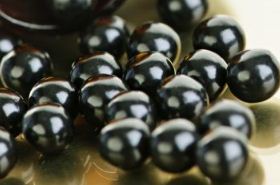
Preparation: The traditional method involves grinding all these specified herbs into a fine powder. This powder is then mixed with congee (a type of rice porridge) to form small pills for consumption.
Functions and Indications of Qi Gong Wan
Indications: Qi Gong Wan is primarily indicated for women facing infertility due to a specific set of underlying conditions in TCM. It's used to address situations where a woman is overweight and prone to accumulating "phlegm"—a concept in TCM that refers to excess dampness and congealed fluids in the body, which can obstruct normal physiological functions. Furthermore, it targets a condition where the uterus is described as 'filled with fat' or 'excessively damp,' creating an environment that hinders conception (PMID: 28549557). In simpler terms, this formula aims to help women struggling to conceive when their body exhibits signs of excess dampness, a sluggish metabolism, and a uterine environment not conducive to pregnancy, often linked to excess weight and impaired vital energy and blood circulation (PMID: 32080775). By addressing these underlying patterns, Qi Gong Wan aims to restore balance and support fertility within the TCM framework (PMID: 35058694).
References
A systematic review suggests that Traditional Chinese Medicine, including herbal formulas, may improve female fertility. PMID: 32080775
TCM pattern identification often links infertility, especially in conditions like PCOS, to patterns involving phlegm-dampness accumulation. PMID: 28549557
Traditional Chinese Medicine offers various approaches to supporting reproductive health, addressing underlying imbalances contributing to infertility. PMID: 35058694
Quick Self-Check & Next Steps
Wondering if Qi Gong Wan might align with your needs?
3-Second Self-Check: If you're finding it difficult to conceive, tend to be overweight, and often feel heavy, sluggish, or notice signs of fluid retention or excessive mucus (TCM's "phlegm")...
30-Second Self-Help: ...Then immediately consider discussing your symptoms with a qualified Traditional Chinese Medicine practitioner. They can accurately diagnose your specific TCM pattern and determine if a formula like Qi Gong Wan, or another tailored approach, is right for you. Early intervention and personalized guidance are key!
For informational purposes only. Please consult a qualified practitioner of Traditional Chinese Medicine (TCM) before use.