White Leadwort (Plumbago zeylanica): Unveiling a Potent Traditional Chinese Herb
Also Known As: White Snow Flower, White Soap Herb, Mountain Poria, One-Glimpse Eliminator, Black-faced Horse, Fire Spirit Elixir, False Jasmine, Fierce Tiger, White-flowered Gentian.
Energetic Properties and Taste: Bitter, slightly warm. **Please note: This herb is toxic.**
Parts Used Medicinally: The root and leaves of Plumbago zeylanica L., a plant belonging to the genus Plumbago.
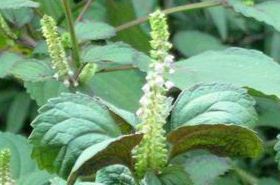
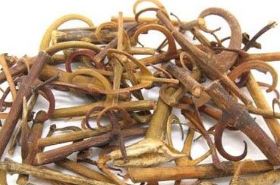
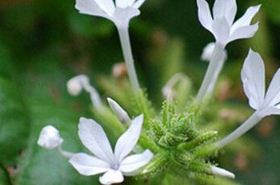
Botanical Description: The main root is slender and cylindrical, highly branched, growing up to 30 cm long and about 5 mm in diameter. It is slightly curved, with numerous fine roots originating from the upper part. Its surface is grayish-brown or yellowish-brown. The stem is cylindrical, 4-6 mm in diameter, with branches. Its surface ranges from yellowish-green to light brown, with distinct nodes and fine longitudinal ridges. The stem is hard and easily broken. The cross-section reveals a fibrous cortex that is light yellowish-brown, a granular middle section that is light yellowish-white, and a white pith. The leaves are often wrinkled and fragmented; when intact and flattened, they are ovate or oblong-ovate, measuring 4-9 cm long and 3-6 cm wide. The upper surface is light green to yellowish-green, while the underside is light grayish-green to light yellowish-green. Terminal spike inflorescences bear tubular calyces covered with stalked glands, and the flowers are white to light yellow. The plant has a faint aroma and a pungent, spicy taste.
How to Use and Dosage of White Leadwort
Internal Administration: Typically prepared as a decoction, using 3 to 5 Qian (approx. 9-15 grams). Important: It must be decocted for an extended period due to its toxicity. Always consult a qualified TCM practitioner for precise dosage and preparation.
External Application: Used as a wash (after decocting in water), applied as a poultice after crushing, or rubbed onto the affected area.
Preparation: Roots are collected in autumn and dried for medicinal use. Fresh leaves are generally reserved for external applications only.
Key Functions and Indications of White Leadwort
Functions: Dispels pathogenic wind, alleviates pain, invigorates blood circulation, disperses stagnation, and reduces swelling.
Main Uses:
- Root: Traditionally used for rheumatic joint and bone pain, pain and swelling from traumatic injuries, stomach pain, and enlargement of the liver and spleen.
- Leaves (External Use): Primarily for pain and swelling from traumatic injuries, sprains and contusions, and fungal skin infections like ringworm.
White Leadwort Toxicity: What You Need to Know
White Leadwort contains potent compounds, including plumbagin, which can be toxic. **Extreme caution is advised.**
If skin irritation or poisoning occurs, wash the affected area thoroughly with clean water or boric acid solution. For severe erosion or ulceration, apply boric acid ointment to the affected site. In cases of internal poisoning from fresh material, immediately administer egg white, sugar water, or activated charcoal. If paralysis develops, cardiotonic stimulants like camphor may be given, along with intravenous glucose-saline solution or other symptomatic treatments. **In all suspected cases of poisoning, seek immediate emergency medical attention.**
Contraindications for White Leadwort
This herb is strictly contraindicated for pregnant women. Due to its toxic nature, it should never be used without the guidance of a highly experienced and qualified Traditional Chinese Medicine practitioner.
Traditional Formulas and Applications of White Leadwort
- For rheumatic joint pain and lumbar/leg sprains: Take 0.5 to 1 Qian (approx. 1.5-3 grams) of White Leadwort root. Decocted in water for oral administration or infused in wine (5 ml twice daily). (Reference: Yunnan Traditional Chinese Herbal Medicine) PMID: 28420959
- For amenorrhea due to blood stasis: Take 1 Liang (approx. 30 grams) of dried White Leadwort root, optionally with 2 Liang (approx. 60 grams) of lean pork. Decocted in water for oral administration. (Reference: Fujian Traditional Chinese Herbal Medicine)
- For traumatic injuries: Crush a handful of fresh White Leadwort leaves. Optionally, warm some red wine and use the mixture to massage around the injured area. (Reference: Fujian Folk Herbal Medicine)
- For sprains, contusions, snake bites, and persistent sores: Crush 3-4 fresh White Leadwort leaves with other herbs and apply externally as a poultice. Remove after 15-30 minutes to prevent localized blistering. (Reference: Guangzhou Military Region "Handbook of Commonly Used Traditional Chinese Herbs")
- For perianal abscess, acute lymphadenitis, mastitis, cellulitis, and boils/furuncles: Crush a suitable amount of fresh White Leadwort and wrap it in a double layer of gauze. Apply as a poultice to the affected area until healed. (Reference: Guangxi "Collection of New Traditional Chinese Herbal Medical Prescriptions")
- For enlarged spleen: White Leadwort root infused in wine for oral consumption. For severe cases, also crush leaves with glutinous rice to form small dumpling-sized balls, steam them, and take one ball upon waking at night. (Reference: Lingnan Herbal Medicine Compendium)
- For malaria: Crush 7-8 fresh White Leadwort leaves and bind them to the pulse point on the wrist two hours before the expected onset of malaria symptoms (remove once a burning sensation is felt). (Reference: Fujian Folk Herbal Medicine)
- For painful calluses on the soles of the feet: Crush a handful of fresh White Leadwort leaves with a pinch of cooked rice and a small amount of salt. Apply as a plaster, changing daily. (Reference: Fujian Folk Herbal Medicine)
- For psoriasis with thickened skin lesions: Crush White Leadwort stems and leaves and rub onto the affected area. (Reference: Guangxi Medicinal Plant Illustrations) PMID: 29875086
- For unruptured scrofula: Take 5 Qian to 1 Liang (approx. 15-30 grams) of fresh White Leadwort root, optionally with lean pork. Stewed in water for oral administration. (Reference: Fujian Traditional Chinese Herbal Medicine)
Quick Check & First Steps
3-Second Self-Check:
- If you're experiencing persistent joint pain, swelling, or unexplained skin rashes...
- If you have digestive discomfort or suspect organ enlargement...
- If you've come into contact with an unknown plant and developed skin irritation, or if you suspect internal poisoning from any plant...
30-Second Self-Help:
- Then: For minor sprains or skin irritation, gently apply a cool compress and ensure adequate rest. Avoid further exposure to potential irritants.
- Immediately: If you suspect plant poisoning, especially after ingesting unknown plants or if symptoms like paralysis or severe discomfort arise, seek emergency medical attention. Do not attempt self-treatment with potentially toxic herbs without expert guidance. Your health and safety are paramount.
References
- Modern research highlights the plant's potential anti-inflammatory and pain-relieving properties, supporting its traditional use in managing conditions like rheumatic pain. PMID: 28420959
- Its external application for various skin conditions, such as fungal infections and traumatic injuries, is backed by studies investigating its diverse pharmacological actions. PMID: 29875086
- However, due to the presence of potent compounds like plumbagin, careful consideration of dosage and potential toxicity is paramount, underscoring the critical need for professional guidance in its use. PMID: 25032049
For informational purposes only. Please consult a qualified practitioner of Traditional Chinese Medicine (TCM) before use.