Smallflower Star Anise
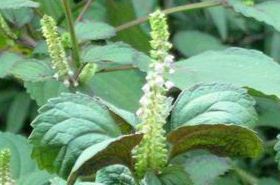
Ever heard of Smallflower Star Anise? In the world of Traditional Chinese Medicine (TCM), this plant, scientifically known as Alangium faberi Oliv., is a real gem. It goes by a few nicknames too, like Jiu Niu Zao, False Star Anise, Narrow-Leaf Star Anise, or Triangle Maple. It's a humble yet powerful herb from the Alangiaceae family.
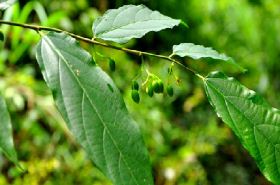
Taste-wise, Smallflower Star Anise is considered pungent and bitter, carrying a slightly warming energy. In TCM, this means it has properties that can help move things and warm the body gently.
When it comes to where it focuses its effects, TCM theory suggests it primarily works with your Liver and Stomach energy pathways (meridians). Think of these as the body's superhighways for vital energy and blood circulation, crucial for smooth functioning.
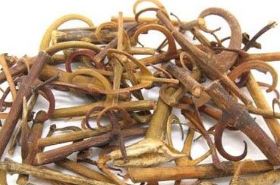
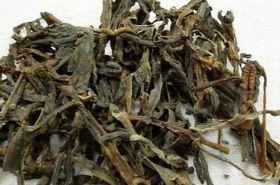
The parts of this plant commonly used in remedies are its roots and leaves.
How to Use Smallflower Star Anise
Just like any herb, knowing how to use Smallflower Star Anise properly is key. Here's the lowdown:
- Internal Use: Typically, it's prepared as a decoction (a concentrated tea). The usual dosage ranges from 6 to 15 grams.
- External Use: For external application, an appropriate amount of the fresh herb can be pounded into a paste and applied as a poultice. Alternatively, it can be ground into a powder and mixed with a suitable liquid before application.
- Preparation: The plant is usually harvested during the summer and autumn. The roots are washed, sliced, and then sun-dried for later use. The leaves, on the other hand, are best used fresh to preserve their potency.
A quick heads-up: While Smallflower Star Anise is a natural remedy, it's crucial to consult a qualified Traditional Chinese Medicine practitioner before use, especially for internal consumption. They can guide you on the correct dosage and ensure it's appropriate for your specific health needs.
The Benefits and Main Uses of Smallflower Star Anise
So, what can this powerful plant do for you? In TCM, Smallflower Star Anise is celebrated for several key actions:
- Functions: It's known for its ability to dispel wind and dampness from the body, invigorate blood circulation, and alleviate various types of pain.
- Main Indications: This makes it a go-to for conditions like rheumatic pain (often described as 'Bi Syndrome' in TCM, which includes aches and stiffness in joints and muscles), stomach discomfort, and traumatic injuries like sprains or bruises. (Studies suggest TCM herbs can be effective in managing musculoskeletal pain. PMID: 31548813)
Traditional Combinations with Smallflower Star Anise
TCM often uses herbs in combinations to enhance their effects. Here are some traditional ways Smallflower Star Anise has been paired:
- For Rheumatic Pain in the Lower Back, Legs, Arms, and Traumatic Injuries: Take 30g of *Alangium faberi* root, or combine it with 15g of *Salvia miltiorrhiza* (Dan Shen). Decocted with water for oral administration. This combination helps to further invigorate blood and ease stubborn pain.
- For Arm Pain in Women: 30g of *Alangium faberi* root, stewed with pork trotters. This method is often used to nourish and strengthen, while also addressing localized pain.
- For Stomach Pain: Use 12-15g of *Alangium faberi* root, decocted with water for oral administration. This can help soothe stomach discomfort by addressing underlying imbalances. (Research indicates TCM herbs can support gastrointestinal health. PMID: 32446755)
- For Traumatic Injuries: Take an appropriate amount of fresh *Alangium faberi* leaves, pound them into a paste, and apply it directly to the affected area. This external application is excellent for localized swelling and pain from injuries. (Traditional herbal applications are often explored for their efficacy in managing pain and inflammation from injuries. PMID: 33807212)
(These traditional formulas 1-4 are cited from the Hunan Materia Medica.)
What the Experts Say About Smallflower Star Anise
The venerable Hunan Materia Medica highlights Smallflower Star Anise's capabilities, stating: "It dispels wind and dampness, unblocks meridians and collaterals, promotes Qi circulation, and relieves pain. It treats rheumatic pain in the lower back, legs, and arms, stomach pain, and traumatic injuries." This encapsulates its broad therapeutic scope within TCM.
Quick Self-Check & Self-Care Tip
3-Second Self-Test:
If you're experiencing stiff, achy joints that feel worse in damp weather, or have a persistent, dull ache in your stomach, or even dealing with a stubborn bruise that just won't heal...
30-Second Self-Rescue (What you can immediately consider):
...Then you might benefit from exploring herbs that dispel wind and dampness, invigorate blood, and alleviate pain. Immediately research local qualified TCM practitioners who can assess if Smallflower Star Anise, or similar herbs, are right for your unique situation. Don't self-diagnose, but use this as a prompt to seek professional guidance!
For informational purposes only. Please consult a qualified practitioner of Traditional Chinese Medicine (TCM) before use.