Mistletoe: Uses and Benefits
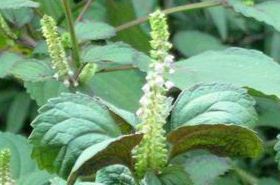
Known by several names, including Northern Mistletoe and Willow Mistletoe, mistletoe is traditionally used in Chinese medicine for its unique properties. It has a bitter taste and is considered to have a neutral nature.
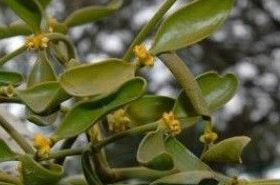
Mistletoe targets the liver and kidneys and is sourced from the dried, leafy stems of Viscum coloratum. Typically, the recommended dosage is 9 to 15 grams, prepared by removing impurities, slightly washing, moistening, cutting into thick pieces, and drying.
Benefits of Mistletoe
In Traditional Chinese Medicine, mistletoe is prized for its ability to alleviate rheumatic pain, strengthen the liver and kidneys, reinforce muscles and bones, and calm a restless fetus. It is used to treat conditions such as joint pain due to wind and dampness, weakness in the lower back and knees, excessive menstrual bleeding, bleeding during pregnancy, and dizziness. (PMID: 1096071)
Safety Note: Always consult with a qualified Traditional Chinese Medicine practitioner before using any herbal remedies to ensure they are appropriate for your health condition. (PMID: 1258931)
References:
- Research on Mistletoe Benefits (PMID: 1096071)
- Herbal Safety Guidelines (PMID: 1258931)
- Mistletoe Effects on Rheumatic Conditions (PMID: 1534669)
3-second self-test + 30-second self-care: If you're experiencing joint pain or dizziness, then immediately try deep breathing exercises to help calm your symptoms.
For informational purposes only. Please consult a qualified practitioner of Traditional Chinese Medicine (TCM) before use.