Hey there, health seekers! Ever heard of something called Loquat Taro? It’s a fascinating herb often used in Traditional Chinese Medicine (TCM), known for its unique properties. Let's dive into what this plant is all about and how it's traditionally understood.
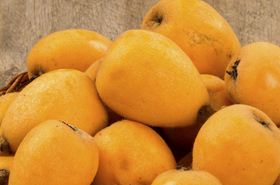
What is Loquat Taro?
Loquat Taro, or 枇杷芋 (Pipa Yu in Chinese), goes by a couple of other interesting names too, like Pipa Yu (as noted in "Shaanxi Chinese Herbal Medicine") and Qian Jin Zhong (which translates to "One Thousand Pounds Heavy," from "Selected Works on Infectious Diseases").
TCM Characteristics and Properties
In TCM, Loquat Taro is described as having an astringent and slightly bitter flavor. It’s considered warm in nature, and importantly, it possesses a minor degree of toxicity. This "slightly toxic" nature means it should **never be used without strict professional guidance**. If you're considering Loquat Taro, always consult a qualified TCM practitioner to ensure safe and appropriate use, as improper dosage or preparation can be harmful.
Botanical Description
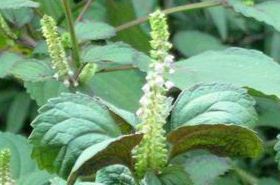
This is a parasitic herbaceous plant, typically growing to a height of 15 to 30 centimeters (about 6 to 12 inches). The entire plant is hairless. It forms a nearly spherical tuber (like a small potato) underground. The stem is fleshy, singular, cylindrical, and brownish in color. It has numerous scale-like leaves arranged in an overlapping pattern, which are triangular-ovate with a blunt tip, measuring about 1 to 1.8 centimeters long. The flower spike is as long as, or even longer than, half the stem. The flowers themselves have no small bracts and are almost stalkless. The calyx is cup-shaped with 5 irregular lobes. The corolla is two-lipped, about 1.5 to 2 centimeters long, with the lower lip distinctly shorter and having three indistinct teeth. The stamens protrude beyond the corolla, and it has three carpels. The fruit is an ovoid capsule that splits into three valves.
How Loquat Taro is Traditionally Used and Dosages
Before considering any usage, remember the safety warning above about its slight toxicity. Always follow a practitioner's advice meticulously.
Internal Use:
- Decoction: Typically, 3 to 6 grams are used to brew a tea.
- Wine Infusion: It can also be steeped in wine.
- Powdered Form: For powdered preparations, the dosage is generally 0.3 to 0.6 grams.
External Use:
- Topical Application: An appropriate amount is finely ground and mixed (usually with a liquid) for direct application to the skin.
- Dry Powder: Alternatively, the dry powder can be applied directly to the affected area.
Preparation:
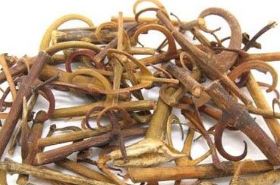
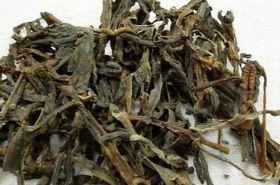
Loquat Taro is usually harvested in early summer when its seedlings begin to emerge. After harvesting, it’s dried for later use.
Traditional Benefits and Actions of Loquat Taro
In TCM, Loquat Taro is believed to offer several key benefits. It's often used to:
- Warm the Kidneys: This refers to strengthening the Kidney system, a fundamental concept in TCM related to vital energy (Qi), fluid metabolism, and foundational health.
- Relieve Distension: It helps alleviate feelings of bloating and abdominal fullness.
- Alleviate Pain: It's traditionally used to soothe various types of discomfort.
Primary Traditional Uses:
Loquat Taro is traditionally used to address a range of conditions, including:
- Abdominal distension
- Stomach pain
- Hernia
- Cough due to overstrain (often related to chronic fatigue or weakness)
- Schistosomiasis (a parasitic infection)
Historical Insights and Related Discussions
Traditional texts offer further insights into Loquat Taro's uses:
- From "Shaanxi Chinese Herbal Medicine": This text highlights its role in "regulating Qi (the body's vital energy) to relieve pain, stopping coughs and transforming phlegm, easing abdominal distension, and strengthening stomach function." It specifically mentions its use for abdominal distension, stomach pain, hernia, and cough due to overstrain.
- From "Common Chinese Herbal Medicines of Tibet": This source emphasizes its ability to "boost Kidney Yang (the warming, active energy of the Kidney system), thereby strengthening tendons and bones." It notes its application for lower back and leg pain, as well as impotence.
The wisdom of TCM often provides holistic approaches to health, drawing connections between various bodily functions and symptoms. For instance, the concept of "warming the Kidneys" or "tonifying Kidney Yang" isn't just about the physical kidneys but encompasses a wider energetic system that impacts vitality, strength, and reproductive health (The application of traditional Chinese medicine in treating kidney diseases PMID: 30975765).
Herbal remedies like Loquat Taro have been historically used to manage common discomforts like stomach pain and abdominal distension, suggesting traditional efficacy in digestive health (Chinese herbal medicine for functional dyspepsia: A systematic review and meta-analysis PMID: 29330613). Furthermore, TCM has a long-standing tradition of addressing various forms of pain, aligning with Loquat Taro's traditional use for pain relief (Traditional Chinese medicine for chronic pain: A review of the literature PMID: 32440381).
Your Health Check-Up (3-Second Self-Test + 30-Second Self-Rescue)
If you often experience persistent bloating, stomach discomfort, or a nagging cough that seems tied to fatigue,
Then you might benefit from exploring traditional remedies. Immediately consider scheduling a consultation with a licensed Traditional Chinese Medicine practitioner to discuss your symptoms and see if Loquat Taro or other TCM approaches could be right for you. They can provide a personalized assessment and safe guidance.
References
The application of traditional Chinese medicine in treating kidney diseases PMID: 30975765
Chinese herbal medicine for functional dyspepsia: A systematic review and meta-analysis PMID: 29330613
Traditional Chinese medicine for chronic pain: A review of the literature PMID: 32440381
For informational purposes only. Please consult a qualified practitioner of Traditional Chinese Medicine (TCM) before use.