Liuhe Tang: A Traditional Chinese Medicine Formula for Digestive Harmony
Ever felt like your digestive system is just… off? Traditional Chinese Medicine (TCM) offers a wealth of ancient wisdom to bring your body back into balance. One such revered formula is Liuhe Tang, also known as the Six Harmonies Decoction. This classic blend aims to restore internal equilibrium, particularly focusing on the intricate connection between your heart, spleen, and overall digestive function. While you might encounter various formulations throughout history, they generally target common ailments rooted in systemic imbalances.
Liuhe Tang: General Usage and Dosage
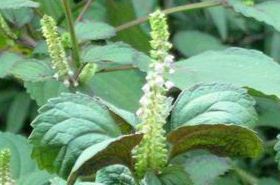
Ingredients: Villous Amomum Fruit (Suo Sha), Pinellia Tuber (Ban Xia, processed seven times with boiling water), Apricot Kernel (Xing Ren, peeled and tip removed), Ginseng Root (Ren Shen, rootlet removed), Red Poria (Chi Fu Ling, peeled), Agastache Herb (Huo Xiang, earth removed), White Hyacinth Bean (Bai Bian Dou, prepared with ginger), Elsholtzia Herb (Xiang Ru), Magnolia Bark (Hou Po, prepared with ginger), Chinese Quince Fruit (Mu Gua), 1 qian each. Prepared Licorice Root (Zhi Gan Cao), half a qian.
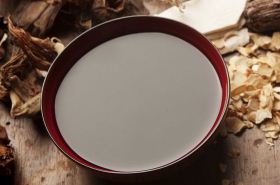
Usage: The above ingredients constitute one dose. Decoct with two cups of water, adding five slices of fresh ginger and one red date, until reduced to one cup. Take at any time.
Liuhe Tang: Efficacy and Indications
Main Indications: Primarily treats disharmony between the Heart and Spleen, dysfunction in the ascending and descending of Qi, cholera-like disorders with muscle cramps, vomiting and diarrhea, alternating chills and fever, phlegm-wheezing cough, epigastric fullness and discomfort, dizziness and headache, edema of the limbs, lethargy and fatigue, scanty, dark, and painful urination. It also addresses undifferentiated febrile disease (Shanghan) where Yin and Yang are indistinct, vexation and discomfort from latent heat due to summerheat exposure, dysentery, and alcohol intoxication with vexation, thirst, and aversion to food. All these conditions can be treated.
Liuhe Tang Formula One
Source: From *Song Dynasty’s Taiping Huimin Heji Ju Fang*
Formula Name: Liuhe Tang
Ingredients: Villous Amomum Seed (Suo Sha Ren), Pinellia Tuber (Ban Xia, processed seven times with boiling water), Apricot Kernel (Xing Ren, peeled and tip removed), Ginseng Root (Ren Shen), Prepared Licorice Root (Gan Cao, roasted), 1 liang each. Red Poria (Chi Fu Ling, peeled), Agastache Leaf (Huo Xiang Ye, dust brushed off), White Hyacinth Bean (Bai Bian Dou, slightly stir-fried with ginger juice), Chinese Quince Fruit (Mu Gua), 2 liang each. Elsholtzia Herb (Xiang Ru), Magnolia Bark (Hou Po, prepared with ginger juice), 4 liang each.
Preparation: Grind the above into a fine powder.
Functions and Indications: Treats disharmony between the Heart and Spleen, dysfunction in the ascending and descending of Qi, cholera-like disorders with muscle cramps, vomiting and diarrhea, alternating chills and fever, phlegm-wheezing cough, chest and diaphragm fullness, dizziness and headache, edema of the limbs, lethargy and fatigue, scanty, dark, and painful urination. Also treats undifferentiated febrile disease (Shanghan) where Yin and Yang are indistinct, vexation and discomfort from latent heat due to summerheat exposure, dysentery, and alcohol intoxication with vexation, thirst, and aversion to food. Suitable for women during pregnancy and postpartum.
Usage and Dosage: Take 4 qian per dose. Decoct with one and a half cups of water, adding three slices of fresh ginger and one jujube date, until reduced to eight-tenths of the original volume. Remove dregs and take at any time.
Excerpt: *Song Dynasty’s Taiping Huimin Heji Ju Fang*
Liuhe Tang Formula Two
Source: From *Taiping Huimin Heji Ju Fang*, Volume 2
Formula Name: Liuhe Tang
Ingredients: Villous Amomum Seed (Suo Sha Ren), Pinellia Tuber (Ban Xia, processed seven times with boiling water), Apricot Kernel (Xing Ren, peeled and tip removed), Ginseng Root (Ren Shen), Prepared Licorice Root (Gan Cao, roasted), 30 grams each. Red Poria (Chi Fu Ling, peeled), Agastache Leaf (Huo Xiang Ye), White Hyacinth Bean (Bai Bian Dou, slightly stir-fried with ginger juice), Chinese Quince Fruit (Mu Gua), 60 grams each. Elsholtzia Herb (Xiang Ru), Magnolia Bark (Hou Po, prepared with ginger juice), 120 grams each.
Preparation: Chop the above ingredients.
Functions and Indications: Treats disharmony between the Heart and Spleen, dysfunction in the ascending and descending of Qi, cholera-like disorders with muscle cramps, vomiting and diarrhea, alternating chills and fever, phlegm-wheezing cough, chest and diaphragm fullness, dizziness and headache, edema of the limbs, lethargy and fatigue, scanty, dark, and painful urination; undifferentiated febrile disease (Shanghan) where Yin and Yang are indistinct, vexation and discomfort from latent heat due to summerheat exposure, dysentery, and alcohol intoxication with vexation, thirst, and aversion to food.
Usage and Dosage: Take 12 grams per dose. Decoct with 220 mL of water, adding 3 slices of fresh ginger and 1 jujube date, until reduced to 160 mL. Remove dregs and take at any time.
Excerpt: *Taiping Huimin Heji Ju Fang*, Volume 2
Liuhe Tang Formula Three
Source: From *Puji Fang*, Volume 390
Formula Name: Liuhe Tang
Ingredients: Aged Tangerine Peel (Chen Pi, pith removed) 1 liang, Immature Tangerine Peel (Qing Pi, pith removed) 3 liang, Bupleurum Root (Chai Hu) 3 liang, Processed Cyperus Rhizome (Jing Xiang Fu) 3 liang, Perilla Leaf (Su Ye) 3 liang, Licorice Root (Gan Cao) 1.5 liang.
Functions and Indications: Treats malaria with more chills than fever, and food stagnation with malnutrition and heat.
Usage and Dosage: Coarsely chop the above ingredients. Decoct with water. Take at any time.
Excerpt: *Puji Fang*, Volume 390
Liuhe Tang Formula Four
Source: From *Buzhi Yi Biyao*, Volume 2
Formula Name: Liuhe Tang
Ingredients: Codonopsis Root (Dang Shen, stir-fried with rice, rootlet removed) 1 qian, Processed Pinellia Tuber (Ban Xia) 1 qian, Amomum Seed (Sha Ren, pounded) 1 qian, White Hyacinth Bean (Bian Dou, stir-fried, pounded) 2 qian, Agastache Herb (Huo Xiang) 2 qian, Red Poria (Chi Fu Ling) 2 qian, Chinese Quince Fruit (Mu Gua) 2 qian, Prepared Licorice Root (Zhi Cao) 1 qian.
Functions and Indications: Treats summer-autumn damp-heat injuring the Spleen, or consuming cold foods and being exposed to wind, or excessive intake of melons and fruits, leading to external cold invading the Stomach, undigested food retention, and subsequent cholera-like disorders.
Usage and Dosage: Add 3 slices of fresh ginger and 1 red date. Decoct with water and take.
Excerpt: *Buzhi Yi Biyao*, Volume 2
Liuhe Tang Formula Five
Source: From *Tai Chan Mishu*, Volume 1
Formula Name: Liuhe Tang
Ingredients: Agastache Herb (Huo Xiang) 5 fen, Amomum Seed (Sha Ren) 5 fen, Aged Tangerine Peel (Chen Pi) 4 fen, Poria (Fu Ling) 4 fen, Ginseng Root (Ren Shen) 1 qian, Chinese Quince Fruit (Mu Gua) 1 qian, White Hyacinth Bean (Bian Dou) 2 qian, Apricot Kernel (Xing Ren) 10 pieces, Raw Licorice Root (Sheng Gan Cao) 4 fen, Massa Medicata Fermentata (Xia Qu) 6 fen.
Functions and Indications: Treats cholera-like vomiting and diarrhea, vexation, and abdominal pain during pregnancy.
Usage and Dosage: Add 3 slices of fresh ginger, 2 large dates, and 1 ball of bamboo shavings (Zhu Ru). Decoct with water and take.
Excerpt: *Tai Chan Mishu*, Volume 1
Liuhe Tang Formula Six
Source: From *You Ke Tie Jing*, Volume 6
Formula Name: Liuhe Tang
Ingredients: Aged Tangerine Peel (Chen Pi), Pinellia Tuber (Ban Xia), White Poria (Bai Fu Ling), Licorice Root (Gan Cao), Coptis Rhizome (Huang Lian), Magnolia Bark (Hou Po), Agastache Herb (Huo Xiang), Elsholtzia Herb (Xiang Ru), White Hyacinth Bean (Bian Dou), Chinese Quince Fruit (Mu Gua).
Functions and Indications: Treats vomiting and diarrhea due to external contraction of summerheat in late summer; also treats hot dysentery.
Excerpt: *You Ke Tie Jing*, Volume 6
Liuhe Tang Formula Seven
Source: From *Yi Tong*, Volume 88
Formula Name: Liuhe Tang
Ingredients: Szechuan Lovage Rhizome (Chuan Xiong), Chinese Angelica Root (Dang Gui), White Peony Root (Bai Shao Yao), Raw Rehmannia Root (Sheng Di Huang), Ginseng Root (Ren Shen), Atractylodes Macrocephala Rhizome (Bai Zhu), equal parts of each.
Functions and Indications: Treats deficiency heat, disharmony of the Triple Burner and Five Zang organs, crying, vexation, and night sweats.
Usage and Dosage: Coarsely chop the above ingredients. Decoct with water. Take at any time.
Excerpt: *Yi Tong*, Volume 88
Liuhe Tang Formula Eight
Source: From *Dan Xi Xin Fa*, Volume 2
Formula Name: Liuhe Tang
Ingredients: Ginseng Root (Ren Shen) 1 qian, Anemarrhena Rhizome (Zhi Mu) 1 qian, Tsaoko Cardamom Fruit (Cao Guo) 1 qian, Fritillaria Bulb (Bei Mu) 1 qian, Dark Plum Fruit (Wu Mei) 1 qian, Angelica Dahurica Root (Bai Zhi) 1 qian, Areca Seed (Bing Lang) 1 qian, Bupleurum Root (Chai Hu, mixed with wine) 1 qian, Dichroa Root (Chang Shan) 2 qian.
Preparation: Chop the above ingredients.
Functions and Indications: Treats malaria.
Usage and Dosage: Add 3 slices of fresh ginger and 1 large date. Decoct with water and take.
Excerpt: *Dan Xi Xin Fa*, Volume 2
Liuhe Tang Formula Nine
Source: From *Ju Fang*, Volume 2 (Continued Collection of Verified Secret Formulas from Various Bureaus)
Formula Name: Liuhe Tang
Alternate Name: Liuhe Tang
Ingredients: Villous Amomum Seed (Suo Sha Ren) 1 liang, Pinellia Tuber (Ban Xia, processed seven times with boiling water) 1 liang, Apricot Kernel (Xing Ren, peeled and tip removed) 1 liang, Ginseng Root (Ren Shen) 1 liang, Prepared Licorice Root (Gan Cao, roasted) 1 liang, Red Poria (Chi Fu Ling, peeled) 2 liang, Agastache Leaf (Huo Xiang Ye, dust brushed off) 2 liang, White Hyacinth Bean (Bai Bian Dou, slightly stir-fried with ginger juice) 2 liang, Chinese Quince Fruit (Mu Gua) 2 liang, Elsholtzia Herb (Xiang Ru) 4 liang, Magnolia Bark (Hou Po, prepared with ginger juice) 4 liang.
Preparation: Chop the above ingredients.
Functions and Indications: Treats disharmony between the Heart and Spleen, dysfunction in the ascending and descending of Qi, cholera-like disorders with muscle cramps, vomiting and diarrhea, alternating chills and fever, phlegm-wheezing cough, chest and diaphragm fullness, dizziness and headache, edema of the limbs, lethargy and fatigue, scanty, dark, and painful urination, undifferentiated febrile disease (Shanghan) where Yin and Yang are indistinct, vexation and discomfort from latent heat due to summerheat exposure, dysentery; alcohol intoxication with vexation, thirst, and aversion to food; food stagnation with sour, foul-smelling belching, or due to summerheat and thirst from drinking cold water or eating cold foods, leading to abdominal pain, or self-sweating with cold back and cold limbs due to summerheat exposure.
Usage and Dosage: Liuhe Tang (*Puji Fang*, Volume 117).
Excerpt: *Ju Fang*, Volume 2 (Continued Collection of Verified Secret Formulas from Various Bureaus)
Liuhe Tang Formula Ten
Source: From *Chuan Xin Shi Yong Fang*, Volume 4
Formula Name: Liuhe Tang
Ingredients: Fresh Ginger (Sheng Jiang, sliced, sun-dried) 1 jin, Tsaoko Cardamom Fruit (Cao Guo, shelled and white skin removed) half a jin, Licorice Root (Gan Cao, stir-fried) 4 liang, Villous Amomum (Suo Sha) 4 liang, Black Pepper (Hu Jiao) half a liang, Long Pepper (Bi Ba) half a liang.
Preparation: Grind the above into powder.
Functions and Indications: Dispels summerheat toxicity and epidemic Qi. Main indication is for these conditions.
Usage and Dosage: Add salt to taste and take.
Excerpt: *Chuan Xin Shi Yong Fang*, Volume 4
Liuhe Tang Formula Eleven
Source: From *Yi Fang Kao*, Volume 1
Formula Name: Liuhe Tang
Ingredients: Amomum Seed (Sha Ren) 1 liang, Pinellia Tuber (Ban Xia) 1 liang, Apricot Kernel (Xing Ren) 1 liang, Ginseng Root (Ren Shen) 1 liang, Licorice Root (Gan Cao) 1 liang, Atractylodes Macrocephala Rhizome (Bai Zhu) 2 liang, Agastache Herb (Huo Xiang) 2 liang, Chinese Quince Fruit (Mu Gua) 2 liang, Magnolia Bark (Hou Po) 2 liang, White Hyacinth Bean (Bian Dou) 2 liang, Red Poria (Chi Fu Ling) 2 liang.
Functions and Indications: Treats cholera-like disorders with muscle cramps, vomiting and diarrhea, alternating chills and fever, lethargy and fatigue in summer; vexation from latent summerheat, scanty, dark, and painful urination, or diarrhea/constipation; alcohol intoxication; and conditions during pregnancy and postpartum.
Various Discussions: The "Six Harmonies" refers to harmonizing the six fu-organs. The Spleen and Stomach are the primary controllers of the six fu-organs, therefore, any disease where the six fu-organs are out of harmony is first addressed by regulating the Spleen and Stomach. This demonstrates the physician's understanding of essentials. Agastache and Amomum are used to open the Stomach orifice. Pinellia and Apricot Kernel are used to disperse rebellious Qi. Poria and Chinese Quince Fruit are used to promote urination and resolve damp-heat. White Hyacinth Bean and Atractylodes Macrocephala are used to regulate the Spleen and Stomach. Ginseng and Licorice are used to tonify and eliminate weakness. Magnolia Bark is used to descend Qi. By opening the Stomach orifice and dispersing rebellious Qi, vomiting is eliminated. By promoting urination and regulating the Spleen, bowel movements are treated. By tonifying deficiency and eliminating weakness, Stomach Qi is restored, and various diseases are resolved. Indeed, once the Spleen and Stomach are treated, the water essence spreads everywhere, the five meridians flow smoothly, and all bodily structures and nine orifices are in peace, let alone the six fu-organs.
Excerpt: *Yi Fang Kao*, Volume 1
Feel Better, Faster: Your 3-Second Self-Check & 30-Second Self-Rescue
If… you're constantly feeling bloated, sluggish, or experiencing alternating digestive upset like diarrhea and constipation, especially after meals or when stressed,
Then Immediately… consider gentle dietary changes, like avoiding overly cold or greasy foods, and try a warm herbal tea to soothe your stomach. These simple steps can kickstart your body's self-healing process and help rebalance your digestive energy.
References
The traditional uses and herbal ingredients in Liuhe Tang are supported by historical clinical practice and modern research on individual components. For instance, studies on Pinellia Tuber explore its antiemetic effects, and research on Amomum Fruit often highlights its benefits for digestive comfort and qi regulation. Consult specific studies for detailed mechanisms:
Exploring the role of herbal compounds in gastrointestinal regulation. PMID: 28767980
Traditional Chinese Medicine for chronic digestive disorders: A systematic review. PMID: 33979438
Pharmacological activities of key ingredients from common TCM formulas for nausea and vomiting. PMID: 26650977
For informational purposes only. Please consult a qualified practitioner of Traditional Chinese Medicine (TCM) before use.