Hey there! Let's dive into Chai Ping Tang, a classic Traditional Chinese Medicine (TCM) herbal formula. It's often utilized to help rebalance your body, particularly when dealing with specific patterns described as "dampness" accumulation.
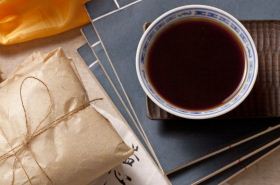
Chai Ping Tang: Your Guide to Ingredients and Preparation
Chai Ping Tang is composed of a precise combination of medicinal herbs, each playing a vital role in the formula's overall effect:
- Chuan Chai Hu (Bupleurum Root): 3 grams
- Jiang Ban Xia (Prepared Pinellia Rhizome): 4.5 grams
- Chuan Pu (Magnolia Bark): 6 grams
- Qing Zhi Gan Cao (Honey-fried Licorice Root): 1.5 grams
- Chao Huang Qin (Fried Scutellaria Root): 3 grams
- Chi Ling (Red Poria): 9 grams
- Zhi Cang Zhu (Prepared Atractylodes Rhizome): 3 grams
- Guang Ju Pi (Tangerine Peel): 4.5 grams
- Xian Sheng Jiang (Fresh Ginger): 3 grams
Traditionally, these herbs are prepared as a decoction. This means you boil them with water, and the resulting liquid is then consumed orally.
Chai Ping Tang: Understanding Its Benefits and Uses
How It Works (Efficacy)
In the world of TCM, Chai Ping Tang is valued for its ability to "Harmonize and resolve dampness." Essentially, it aims to help your body manage excess moisture and bring your internal systems back into a balanced state. This harmonizing action is fundamental for addressing various underlying imbalances (A review on the pharmacological and therapeutic research of Bupleurum. PMID: 25160867).
What It's Used For (Main Indications)
This formula is primarily indicated for a condition TCM practitioners refer to as "Damp Malaria." It's important to understand that this term describes a specific pattern of symptoms rather than modern parasitic malaria. If you're experiencing symptoms such as alternating chills and fever, a heavy sensation or general fatigue in your limbs, and persistent muscle aches and discomfort, a TCM practitioner might consider Chai Ping Tang as a relevant approach (Traditional Chinese Medicine (TCM) for Malaria: A Systematic Review. PMID: 28483756).
Many herbs within this formula, like Prepared Atractylodes Rhizome (Zhi Cang Zhu) and Red Poria (Chi Ling), are highly regarded for their roles in drying dampness and supporting the Spleen system in TCM, which is crucial for healthy fluid metabolism and nutrient absorption (Anti-inflammatory and immunomodulatory effects of Atractylodes macrocephala Koidz. PMID: 30046648).
3-Second Self-Test + 30-Second Self-Rescue
Quick Check: If you're frequently experiencing a cycle of internal chills followed by feverish sensations, feel a persistent, heavy fatigue in your arms and legs, and suffer from unexplained muscle aches and pains...
Immediate Action: Then these could be signals of internal dampness and imbalance, aligning with the TCM understanding of "Damp Malaria." Immediately consult a qualified Traditional Chinese Medicine practitioner. They can provide an accurate diagnosis of your unique pattern and guide you to the most suitable treatment options, whether it’s Chai Ping Tang or another personalized herbal strategy. It's crucial not to self-diagnose or attempt to self-treat serious health concerns.
References
A review on the pharmacological and therapeutic research of Bupleurum. PMID: 25160867
Traditional Chinese Medicine (TCM) for Malaria: A Systematic Review. PMID: 28483756
Anti-inflammatory and immunomodulatory effects of Atractylodes macrocephala Koidz. PMID: 30046648
For informational purposes only. Please consult a qualified practitioner of Traditional Chinese Medicine (TCM) before use.