Peach Branch
Properties: Bitter in taste, neutral in nature.
Meridian Tropism: Enters the Heart and Liver meridians.
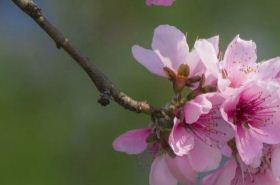
Medicinal Part: The dried branch of Prunus persica (L.) Batsch, a plant of the Rosaceae family (Peach).
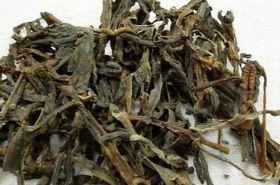
Morphological Characteristics: The branches are cylindrical, varying in length, with a diameter of 0.5-1 cm. The surface is reddish-brown, relatively smooth, with whitish lenticels. It is brittle with a yellowish-white cross-section, where the woody part occupies most of the area, and a white pith is present in the center. It has a slight aroma and a slightly bitter and astringent taste.
Usage and Dosage of Peach Branch
Usage: 9-15g for internal use. For external application, an appropriate amount is decocted for washing or bathing.
Processing: Remove impurities, wash clean, slightly moisten, cut into sections, and dry.
Functions and Indications of Peach Branch
Functions: Invigorates blood circulation and unblocks meridians, detoxifies and kills parasites.
Indications: Used for stabbing pain in the chest and abdomen, rheumatic arthralgia, traumatic injuries, and skin sores/tinea.
Contraindications for Peach Branch
Pregnant women should avoid internal use.
Traditional Combinations with Peach Branch
1. For warts/tumors: Take more than ten rice spiders (Araneus ventricosus), place them on a peach branch, and wait for their silk threads to hang down. Take the threads from the eastern side, twist them into a string, and tie it around the wart. Change it every seven days, and it will naturally dissipate. (From Zong Wei Lun)
2. To treat sudden chest pain: Take a handful of peach branches, chop them, decoct with one liter of wine until half a liter remains, and take it all at once. (From Bu Que Zhou Hou Fang)
Related Discussions on Peach Branch
According to the Compendium of Materia Medica (Bencao Gangmu): "It treats visceral stabbing pain in the heart and abdomen, and wards off epidemics."
Scientific Insights & Traditional Perspective
In Traditional Chinese Medicine (TCM), Peach Branch is esteemed for its ability to invigorate blood circulation and unblock meridians, a fundamental concept for managing pain and promoting overall systemic flow. TCM emphasizes the importance of smooth blood circulation and clear meridians for overall health and pain management. PMID: 29881692
Its detoxifying and anti-parasitic properties are also noted, often employed in addressing various skin conditions and promoting internal cleansing. Traditional Chinese Medicine (TCM) offers a rich heritage of herbal remedies, many of which are explored for their potential in treating various skin diseases. PMID: 28833177
The understanding of an herb's meridian tropism, guiding its therapeutic actions to specific organs and channels, is central to TCM diagnostic and treatment principles. The study of mechanisms of action of Traditional Chinese Medicine for pain relief, including the role of meridians and acupoints, continues to be an active area of research. PMID: 37769396
Quick Check & Next Steps
3-Second Self-Test: If you're dealing with occasional discomfort from a minor sprain, muscle ache, or a persistent skin irritation, and looking for traditional holistic support...
30-Second Self-Rescue: Then consider exploring the potential benefits of Peach Branch, as used in Traditional Chinese Medicine. Immediately consult a qualified TCM practitioner or healthcare provider to determine if it's right for your specific needs, especially for internal use or if you are pregnant.
For informational purposes only. Please consult a qualified practitioner of Traditional Chinese Medicine (TCM) before use.