Unlocking Male Fertility: Exploring a Potent Traditional Remedy for Low Sperm Count
Navigating the complexities of male infertility can be incredibly challenging, but traditional Chinese medicine (TCM) offers a rich tapestry of approaches. For centuries, practitioners have developed intricate herbal formulas designed to address various reproductive health concerns. This particular remedy, focused on supporting kidney essence and boosting sperm count, is a classic example of TCM’s holistic philosophy. It combines several renowned tonic herbs, along with a specific animal organ, aiming to enhance vitality and address oligospermia, commonly known as low sperm count.
Understanding the Traditional Formula: Key Ingredients and Their Roles
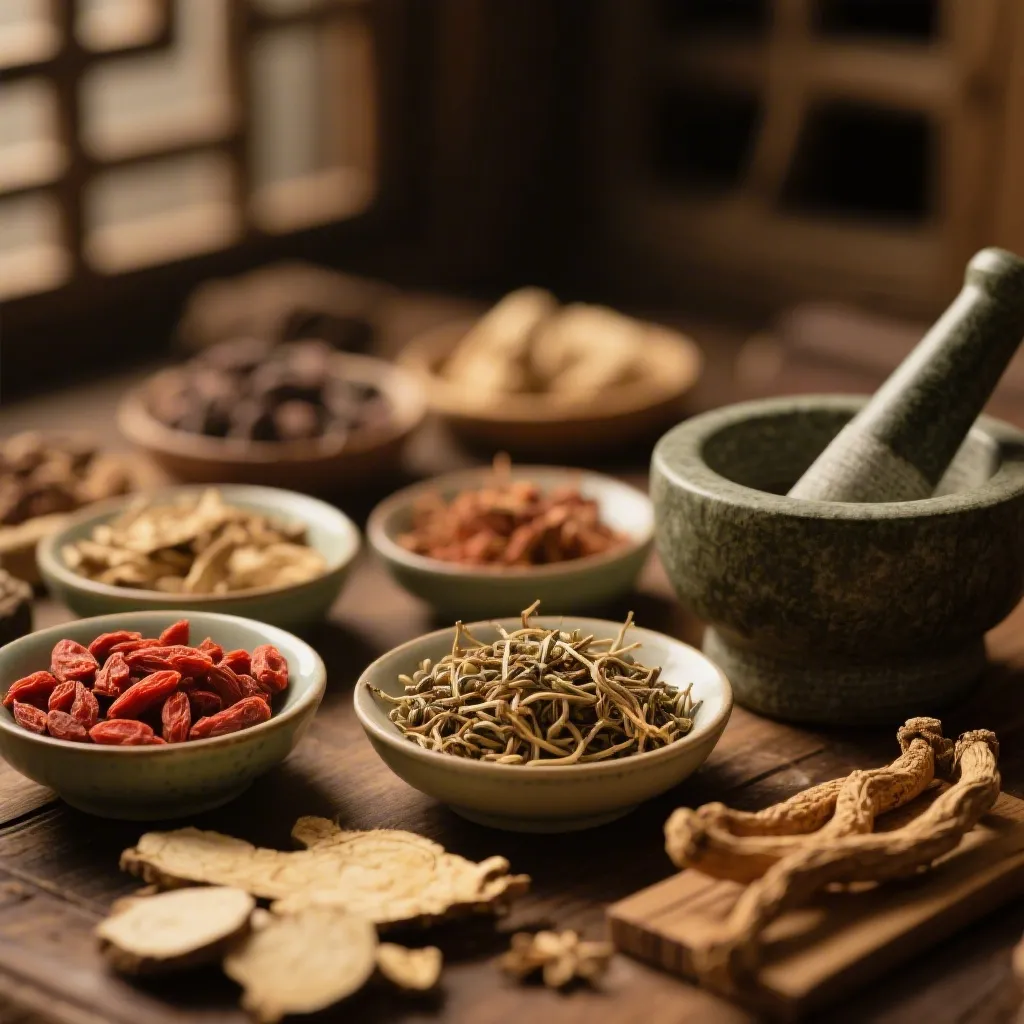
This potent formula for male infertility consists of several carefully selected ingredients, each playing a crucial role in TCM theory for nourishing the body and supporting reproductive function. The precise measurements are designed to create a synergistic effect.
- Goji Berries (Lycium barbarum fruit) – 360 grams: Known in TCM as a powerful kidney and liver tonic, goji berries are celebrated for their ability to nourish Yin, enrich essence, and brighten the eyes. They are frequently used to address issues related to aging and deficiency, including supporting reproductive health.
- Prepared Solomon's Seal Rhizome (Polygonatum sibiricum) – 180 grams: This herb is valued for its ability to tonify Qi and Yin, moisten dryness, and strengthen the spleen, lungs, and kidneys. It's often included in formulas to combat fatigue, improve overall vitality, and support essence.
- Dodder Seeds (Cuscuta chinensis) – 180 grams: A primary herb for warming and tonifying the kidney Yang and Yin, dodder seeds are specifically used to consolidate essence, prevent leakage, and improve fertility. They are particularly indicated for male reproductive issues, including low sperm count and premature ejaculation.
- Cistanche Deserticola (Rou Cong Rong) – 180 grams: Often referred to as "desert ginseng," Cistanche is a potent kidney Yang tonic that also moistens the intestines. It's renowned for its ability to boost vitality, combat fatigue, and significantly enhance sexual and reproductive function. It is a cornerstone herb in many male fertility formulas. (PMID: 33923485)
- Dog Kidney (Canis familiaris ren) – 1 whole organ: In traditional Chinese medicine, animal organs are often used based on the principle of "treating like with like." Dog kidney is traditionally believed to be a powerful tonic for the kidney system, specifically for strengthening Yang and consolidating essence, thus supporting male reproductive health. It is included here for its perceived potency in addressing severe deficiencies leading to oligospermia. However, it's crucial to acknowledge that the use of animal organs, particularly from dogs, is highly controversial, ethically problematic, and often illegal in many parts of the world. Ethical sourcing and legal regulations vary widely, and consumers should exercise extreme caution and seek legal and ethical advice before considering such ingredients. In many modern TCM practices, more ethically sourced alternatives like deer antler velvet or certain potent herbal combinations might be considered.
- Salt (Sodium chloride) – 15 grams: Salt is used traditionally not just for taste but sometimes to enhance the absorption or directing properties of certain herbs, especially those targeting the kidney system, as salt is associated with the kidney meridian in TCM.
Preparing and Administering This Traditional Remedy
The preparation of this formula is straightforward, focusing on creating a finely powdered mixture for consistent dosing.
- Preparation: All the solid ingredients (goji berries, prepared Solomon's Seal rhizome, dodder seeds, cistanche deserticola, and the dog kidney) should be thoroughly dried and then ground into a fine powder. The salt is then mixed in uniformly. Ensure all components are completely dry before grinding to achieve a smooth consistency.
- Dosage and Timing: This remedy is typically administered over a 12-day period. The full powdered mixture should be divided into 24 equal doses (for twice-daily consumption over 12 days). It is traditionally advised that the man begins taking this remedy when his female partner starts her menstrual cycle, consuming two doses per day until the entire mixture is finished.
Important Safety Considerations and Consulting a Practitioner
While traditional remedies can be powerful, they are not without risks. It is paramount to approach them with caution and under professional guidance.
- Professional Consultation is Essential: This formula is highly potent and specifically tailored for individuals experiencing oligospermia due to specific TCM patterns. Self-diagnosis and self-treatment are strongly discouraged. Always consult a qualified and licensed Traditional Chinese Medicine practitioner before starting any herbal regimen, especially for serious conditions like infertility. They can accurately diagnose your specific condition, ensure the remedy is appropriate for you, and advise on proper dosage and potential interactions with other medications.
- Dosage and Duration: Herbal remedies, even those derived from natural sources, can have side effects if taken improperly. Adhering strictly to the prescribed dosage and duration is critical. Long-term or excessive use of any potent tonic, especially those involving animal products, can lead to imbalances.
- Ingredient Sourcing and Legality: As noted with the dog kidney, sourcing traditional ingredients can be complex. Always ensure that any animal products or herbs are legally and ethically sourced, and compliant with local and international regulations. Many modern TCM practitioners may opt for plant-based alternatives or other ethically sourced ingredients to achieve similar therapeutic effects.
- Allergies and Interactions: Be aware of any potential allergies to the listed ingredients. Inform your practitioner of all medications, supplements, and other herbal remedies you are currently taking to avoid adverse interactions.
Remember, the goal of TCM is to restore balance and harmony to the body. A holistic approach that includes diet, lifestyle, and emotional well-being, guided by a skilled practitioner, often yields the best results for fertility challenges. (PMID: 30353066)
The Broader TCM Perspective on Male Fertility
In Traditional Chinese Medicine, male infertility, particularly low sperm count (oligospermia), is often attributed to deficiencies in the Kidney system. The Kidneys, in TCM, are not just physical organs but represent a vital energy system responsible for growth, development, reproduction, and overall vitality. When Kidney essence (Jing) or Kidney Yang is deficient, it can lead to a lack of proper sperm production, poor sperm quality, or issues with sexual function.
This particular formula strongly targets kidney tonicity, especially Kidney Yang and essence, which are considered crucial for robust reproductive health. The combination of warming, tonifying, and essence-consolidating herbs aims to rebuild the foundational energy necessary for sperm generation and maturation. The inclusion of ingredients like Cistanche and Dodder seeds directly reflects this emphasis on nourishing the reproductive essence. (Huangdi Neijing, English Translation, Chapter 1, "The Grand Theories on the Ancient Heaven" speaks to the concept of Jing and life essence)
References:
(PMID: 30353066) Traditional Chinese Medicine for Male Infertility: An Overview.
Quick Self-Check & Self-Care for Male Reproductive Health
If you're consistently feeling fatigued, experiencing low libido, or noticing a general lack of vitality:
立刻 (Immediately) consider incorporating more kidney-nourishing foods into your diet, such as walnuts, black sesame seeds, and seafood. A simple acupressure technique involves gently massaging the Kidney 3 (Taixi) point, located in the depression between the tip of the medial malleolus and the Achilles tendon, for 30 seconds on each foot daily. This point is a powerful spot for tonifying kidney essence and promoting overall well-being.
For informational purposes only. Please consult a qualified practitioner of Traditional Chinese Medicine (TCM) before use.