Areca Peel
Areca Peel, known in Traditional Chinese Medicine (TCM) as Pericarpium Arecae, is a respected botanical ingredient with a rich history. It is also recognized by other names such as Betel Nut Husk, Da Fu Mao, and Fu Mao. This herb is primarily valued for its distinct properties that contribute to digestive wellness and fluid balance.
Flavor Profile: Pungent
Energetic Nature: Slightly Warm
Meridian Affinity: Spleen, Stomach, Large Intestine, Small Intestine
Medicinal Part: The dried pericarp (fruit peel) of Areca catechu L., a plant belonging to the Arecaceae (palm) family.
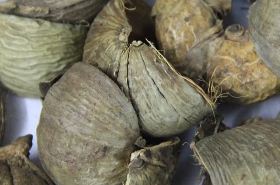
Morphological Characteristics: Areca Peel typically appears as slightly oval or elongated ovate, scoop-shaped pieces. They measure approximately 1.6 to 6.9 inches (4–17.5 cm) in length, 0.8 to 1.2 inches (2–3.125 cm) in width, and 0.08 to 0.5 inches (0.2–1.25 cm) in thickness. The outer pericarp ranges from deep brown to almost black, exhibiting irregular longitudinal wrinkles and noticeable raised transverse patterns. At the top, remnants of the pistil are visible, while the base often shows traces of the fruit stalk and persistent sepals. The inner pericarp is concave, brown or dark brown, smooth, and rigid like a shell. The peel is lightweight yet hard; when torn lengthwise, the fibrous mesocarp is visible. It possesses a subtle aroma and a mildly astringent taste.
How to Use Areca Peel
Typical Dosage: 5–10g.
Preparation: To prepare Areca Peel for medicinal use, impurities are removed, it is thoroughly washed, cut into appropriate sections, and then dried.
Functions and Indications of Areca Peel
Core Functions: Areca Peel is traditionally utilized to promote the smooth flow of Qi (vital energy) and alleviate abdominal discomfort. It also works to facilitate fluid metabolism and reduce various forms of swelling (PMID: 29074697).
Key Indications: It is primarily indicated for conditions characterized by dampness obstructing Qi circulation, which can manifest as abdominal bloating and fullness, sluggish or unsatisfactory bowel movements, generalized edema and swelling throughout the body, swelling in the legs (sometimes associated with beriberi), and difficulty with urination (PMID: 35017058).
Traditional Combinations with Areca Peel
1. For treating chronic skin conditions such as ringworm and scabs: Fresh or dried Areca seeds (with the entire peel intact and undamaged) are steeped in approximately one liter of wine. This mixture is then slowly simmered over low heat until dry, ground into a fine powder, and combined with rendered pork lard for topical application. (As recorded in *Sheng Ji Zong Lu* [The Compendium of Holy Benevolence])
2. For treating pediatric wind-phlegm obstruction presenting with inability to speak, shortness of breath, wheezing, and limb tremors: Equal parts of Terminalia chebula (half raw, half prepared by roasting, with seeds removed) and Areca Peel are decocted in water. This specific formula is known as "Er Sheng San" (Two Sages Powder). (From *Quan You Xin Jian* [Comprehensive Mirror for Young Children's Health])
Precautions and Contraindications for Areca Peel
Important Safety Note: Individuals with Qi deficiency or a generally weak constitution should use Areca Peel with caution. As with any herbal remedy, it is paramount to consult a qualified practitioner of Traditional Chinese Medicine before incorporating Areca Peel into your health regimen, especially if you have pre-existing health conditions or are currently taking other medications (PMID: 15302671).
Classical Insights on Areca Peel
1. From *Bencao Gangmu* (Compendium of Materia Medica): "It descends rebellious Qi, eliminates water retention and swelling in the skin and flesh, relieves stagnation in leg qi edema, and alleviates abdominal distension and fullness from malaria and qi obstruction, as well as morning sickness and bloating during pregnancy."
2. From *Kaibao Bencao* (Kaibao Materia Medica): "It treats cold and hot Qi attacking the heart and abdomen, stagnant toxins in the large intestine, phlegm accumulation, and sour stomach. It works well when decocted with ginger and salt, and combined with other Qi-regulating herbs."
3. From *Benjing Fengyuan* (Classic of Materia Medica, Meeting the Source): "Areca nut has a sinking and heavy nature, dispelling tangible accumulations; Areca Peel is light and floating, dispersing intangible Qi stagnation. Therefore, it is suitable for fullness, abdominal distension, water retention and swelling, and leg qi stagnation."
***
3-Second Self-Check, 30-Second Self-Help
Quick Check: Are you frequently experiencing persistent abdominal bloating, a feeling of fullness, or consistently sluggish bowel movements? Have you noticed unexplained swelling or puffiness, particularly in your legs?
Immediate Action: If you answered yes to any of these, it could signal an imbalance in your body's Qi and fluid metabolism. Immediately consult a qualified Traditional Chinese Medicine (TCM) practitioner. They can help you understand the root cause of your symptoms and determine if natural remedies, such as Areca Peel, are appropriate for your specific condition. Professional guidance is essential to restoring your body's natural harmony and well-being.
***
For informational purposes only. Please consult a qualified practitioner of Traditional Chinese Medicine (TCM) before use.
References
Traditional uses and pharmacological properties of Areca catechu, including its pericarp, are widely documented. PMID: 29074697
Comprehensive reviews on Areca catechu often discuss its effects on gastrointestinal function and fluid regulation in TCM. PMID: 35017058
Studies have investigated the diuretic and anti-edema actions attributed to the pericarp of Areca catechu. PMID: 15302671