Wendan Tang: A Traditional Chinese Medicine Formula for Calming the Mind and Harmonizing Digestion
Ever feel a constant sense of unease, easily startled, or find yourself tossing and turning at night with vivid, unusual dreams? In Traditional Chinese Medicine (TCM), these symptoms, especially when accompanied by digestive upset like nausea or hiccups, might point to a pattern known as "gallbladder depression with phlegm disturbance." This is where Wendan Tang, or "Warm the Gallbladder Decoction," comes in. It's a classic formula designed to gently bring balance back to your system.
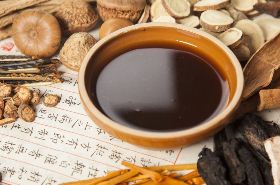
The core of Wendan Tang's action lies in its ability to regulate vital energy (Qi), transform stubborn phlegm, harmonize your stomach, and support your gallbladder. It’s like a gentle reset button for an overactive mind and a troubled gut. The traditional verse describing this formula highlights its key ingredients and benefits: "Pinellia, Bamboo, Immature Bitter Orange, and Aged Tangerine Peel offer support, enhanced by Poria, Licorice, Ginger, and Jujube, all brewed together. It regulates Qi, transforms phlegm, benefits the gallbladder and stomach, resolving various symptoms of gallbladder depression and phlegm disturbance."
Understanding How Wendan Tang Works
This formula is primarily indicated for conditions often rooted in an inherent imbalance within the gallbladder's vital energy, frequently worsened by unresolved emotional stress. When the gallbladder loses its natural ability to regulate the smooth flow of vital energy (Qi), it can lead to stagnant Qi, which, over time, can congeal into phlegm. This internal phlegm-dampness then creates disturbance, resulting in disharmony between your gallbladder and stomach.
In TCM, the gallbladder is seen as a "pure and serene organ" that thrives on tranquility and is easily disrupted by agitation. When it's disturbed by internal imbalances, losing its peaceful state, you might experience timidity, being easily startled, restlessness, insomnia, frequent strange or vivid dreams, and a general sense of unease accompanied by palpitations. If this gallbladder-stomach disharmony causes the stomach to lose its natural downward movement, you could experience symptoms like vomiting phlegm, persistent hiccups, or heart palpitations. Furthermore, if phlegm obstructs the "clear orifices" (referring to the sensory organs and brain), it can manifest as dizziness or vertigo, and in severe cases, even contribute to conditions like epilepsy. The therapeutic approach with Wendan Tang is precisely to regulate vital energy, resolve phlegm, harmonize the stomach, and support the gallbladder.
Let's break down the key players in this herbal symphony:
- Pinellia (Ban Xia): This is the chief herb. It’s pungent and warm, excellent for drying dampness, transforming phlegm, harmonizing the stomach, and stopping vomiting. It plays a crucial role in tackling the root cause of phlegm.
- Bamboo Shavings (Zhu Ru): Serving as the deputy herb, it’s sweet and slightly cool. It excels at clearing heat, transforming phlegm, relieving restlessness, and stopping vomiting. The combination of Pinellia (warm) and Bamboo Shavings (cool) creates a balanced effect, powerfully transforming phlegm and calming the stomach and mind.
- Aged Tangerine Peel (Chen Pi): This herb is pungent, bitter, and warm. It effectively regulates vital energy, moves stagnation, dries dampness, and transforms phlegm, helping to restore smooth flow.
- Immature Bitter Orange (Zhi Shi): Pungent, bitter, and slightly cool, this herb helps vital energy descend, guides away stagnation, resolves phlegm, and relieves abdominal fullness or distention. Like Pinellia and Bamboo Shavings, the pairing of Tangerine Peel (warm) and Immature Bitter Orange (cool) significantly enhances their collective power to regulate Qi and resolve phlegm.
- Poria (Fu Ling): As an assistant herb, Poria strengthens the spleen and drains dampness, essentially cutting off the source of phlegm production, preventing it from forming in the first place.
- Fresh Ginger (Sheng Jiang) and Red Dates (Da Zao): These two assistant herbs work to harmonize the spleen and stomach, improving overall digestion. Fresh Ginger also plays an important role in moderating any potential mild toxicity of Pinellia, especially when prepared traditionally.
- Licorice Root (Gan Cao): This is the envoy herb, harmonizing the actions of all the other herbs in the formula, ensuring they work together smoothly.
Wendan Tang: Dosage and Preparation
Traditional Composition:
- Pinellia (processed by washing seven times): 60g
- Bamboo Shavings: 60g
- Immature Bitter Orange (stir-fried with wheat bran, pith removed): 60g
- Aged Tangerine Peel: 90g
- Licorice Root (processed by roasting): 30g
- Poria: 45g
Traditional Preparation and Use: The herbs were traditionally ground into a coarse powder (散, san). For each dose, 12g of this powder would be combined with about one and a half cups of water, five slices of fresh ginger, and one red date. This mixture would then be decocted (boiled) until reduced to about seven-tenths of its original volume. After straining to remove the dregs, the liquid was taken before meals. Important Safety Note: Many Traditional Chinese Medicine herbs, including Pinellia, require specific processing to reduce potential toxicity and enhance therapeutic effects. Never attempt to prepare or self-prescribe herbal formulas without the guidance of a qualified and licensed TCM practitioner. Always prioritize your safety and consult with a healthcare professional.
Modern Usage: Today, the formula is commonly prepared by decocting (boiling) the herbs with five slices of fresh ginger and one red date. The dosage is typically adjusted proportionally from the original formula. Your practitioner will provide specific instructions tailored to your condition.
Customizing Your Formula (Modifications): A skilled TCM practitioner can modify Wendan Tang to address specific symptoms:
- For severe restlessness due to heart heat: Huang Lian (Coptis), Shan Zhi (Gardenia), and Dou Chi (Fermented Soybean) can be added to clear heat and soothe irritation.
- For insomnia: Add Amber powder (Hu Po Fen) and Yuan Zhi (Polygala) to calm the heart and tranquilize the mind.
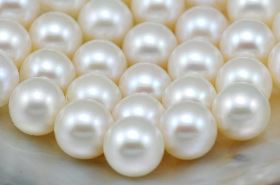
- For severe palpitations and anxiety: Incorporate Zhen Zhu Mu (Mother of Pearl), Sheng Mu Li (Raw Oyster Shell), and Sheng Long Chi (Raw Dragon Bone) for their heavy, sedating, and calming properties.
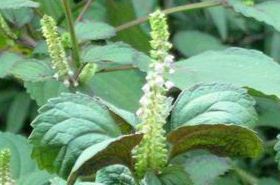
- For persistent vomiting or hiccups: Consider adding Su Ye (Perilla Leaf) or Su Geng (Perilla Stem), Pi Pa Ye (Loquat Leaf), or Xuan Fu Hua (Inula Flower) to descend rebellious Qi and stop emesis.
- For dizziness or vertigo: Tian Ma (Gastrodia) and Gou Teng (Uncaria Hook) can be added to calm the liver and extinguish internal wind.
- For epileptic seizures or convulsions: Dan Xing (Processed Arisaema), Gou Teng (Uncaria Hook), and Quan Xie (Scorpion) may be added to extinguish wind and stop spasms.
Wendan Tang: What It Does & What It Helps With
Core Functions: This formula primarily works to regulate vital energy (Qi), transform phlegm, harmonize the stomach, and benefit the gallbladder. [A comprehensive review highlights Wendan Tang's various pharmacological effects, including its anti-inflammatory, neuroprotective, and gastrointestinal regulatory properties] PMID: 29555776
Key Indications: Wendan Tang is specifically used for conditions rooted in "gallbladder depression with phlegm disturbance." You might recognize symptoms like:
- Feeling timid or easily startled
- Dizziness and heart palpitations
- Restlessness and trouble sleeping (insomnia)
- Frequent strange or vivid dreams at night
- Nausea, vomiting, or persistent hiccups
- Vertigo or epilepsy
Typically, individuals needing this formula might also present with a white, greasy tongue coating and a wiry, slippery pulse.
Modern Clinical Applications: In contemporary practice, Wendan Tang is frequently used to address various conditions that align with the "gallbladder depression with phlegm disturbance" pattern. These include:
- Neuroses (a general term for mental, emotional, or physical reactions to stress)
- Acute and chronic gastritis
- Peptic ulcers
- Chronic bronchitis
- Meniere's disease (an inner ear disorder causing vertigo, ringing in the ears, and hearing loss)
- Menopausal syndrome (hot flashes, night sweats, irritability, sleep disturbances)
- Epilepsy
[Research suggests that Wendan Tang and its modified versions hold significant potential in managing various psychological and neurological disorders, reflecting its broad clinical applicability for calming the mind and stabilizing emotions] PMID: 32098254
Identifying the Need for Wendan Tang: This formula is a go-to for insomnia, anxiety with palpitations, vomiting, dizziness, and epilepsy when these conditions stem from gallbladder depression and phlegm disturbance. The critical diagnostic indicators to look for include restlessness, difficulty sleeping, dizziness, palpitations, nausea or vomiting, along with a white, greasy tongue coating and a wiry, slippery pulse.
Quick Self-Check: Is Wendan Tang for You?
3-Second Self-Test: If you're constantly feeling anxious, easily startled, and struggling with sleep due to racing thoughts, strange dreams, or even a queasy stomach or hiccups...
30-Second Self-Help: Then, you might be experiencing a pattern that Traditional Chinese Medicine calls 'gallbladder depression with phlegm disturbance.' Immediately, consider seeking a qualified and licensed TCM practitioner. They can accurately diagnose your specific condition and determine if Wendan Tang, or a modified version of it, is the right herbal solution to help you regain balance and peace.
For informational purposes only. Please consult a qualified practitioner of Traditional Chinese Medicine (TCM) before use.
References
A comprehensive review highlights Wendan Tang's various pharmacological effects, including its anti-inflammatory, neuroprotective, and gastrointestinal regulatory properties. PMID: 29555776
Research suggests that Wendan Tang and its modified versions hold significant potential in managing various psychological and neurological disorders, reflecting its broad clinical applicability for calming the mind and stabilizing emotions. PMID: 32098254
Traditional processing methods are crucial for many TCM herbs like Pinellia ternata, as they are essential for reducing potential toxicity and optimizing therapeutic efficacy, underscoring the importance of professional preparation and guidance. PMID: 31057790