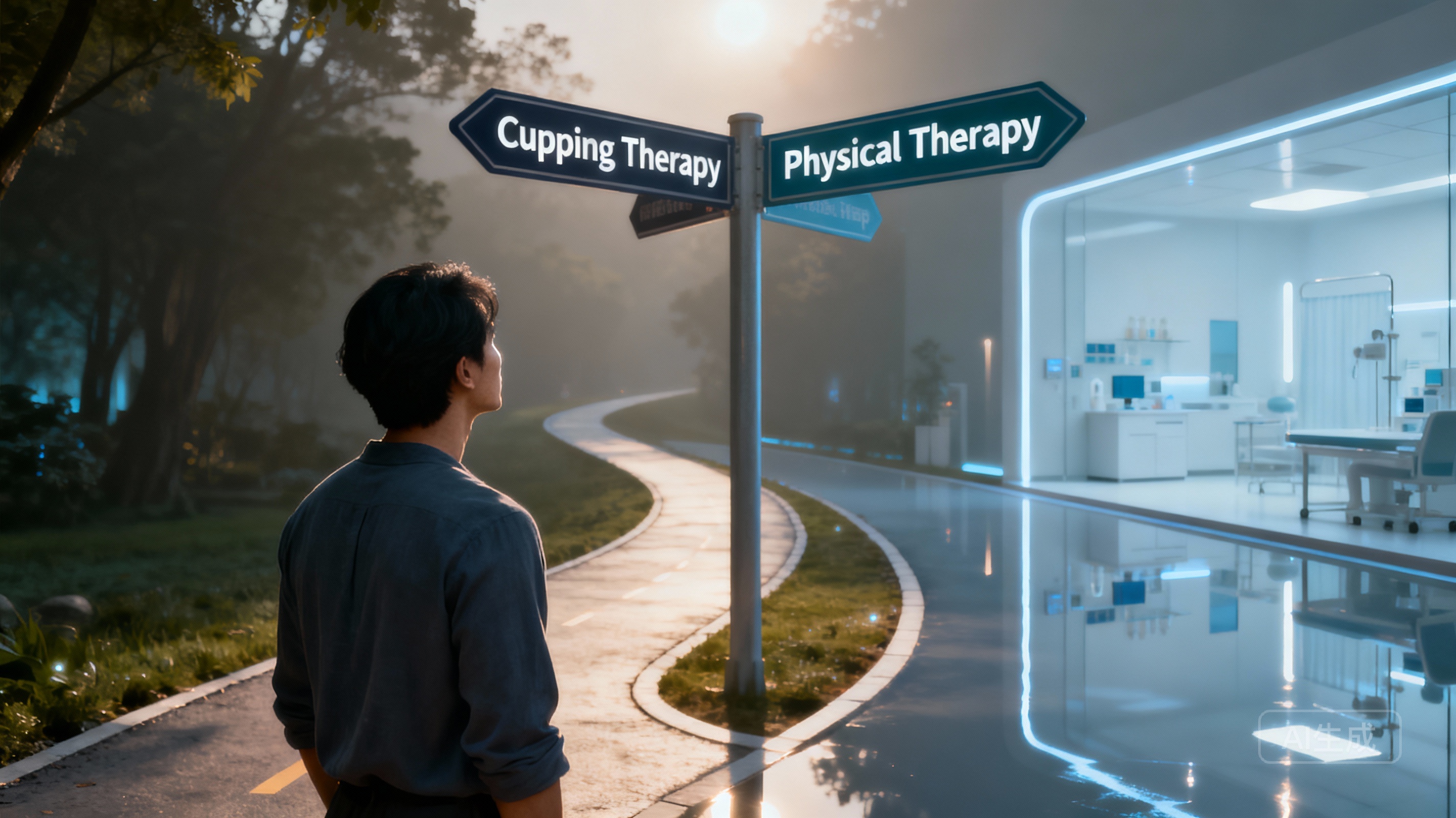
Curiously Exploring: Cupping vs. Physical Therapy—Which Path is Right?
If you're weighing your options for pain relief, understanding the differences between Cupping vs. Physical Therapy is crucial. Both approaches offer unique pathways to healing and improved well-being. This guide will clarify their distinct theories, methods, and benefits. It helps you make an informed decision for your health journey. We’ll compare them across several key dimensions.
Understand the Foundations: Ancient Wisdom Meets Modern Science
Traditional cupping therapy roots itself in ancient Chinese medicine principles. It views the body through meridians, which are energy pathways. This method also considers "Qi and Blood" – your body's vital energy and circulation. It aims to dispel dampness and cold, restoring balance. Western physical therapy, in contrast, focuses on anatomy and physiology. It's grounded in biomechanics and exercise science. This approach emphasizes evidence-based rehabilitation.
Explore the Theory: Energy Flow vs. Mechanical Function
Cupping therapy believes that illness or pain often stems from "Qi stagnation," like a traffic jam in your body. This blockage prevents proper flow. Relieving this congestion is key to healing.
Clear the Traffic: Releasing Body Blockages
Physical therapy approaches pain from a structural and functional perspective. It diagnoses movement dysfunctions. Therapists then design interventions to correct these issues. They aim to restore normal function.
Discover the Methods: Suction Release vs. Targeted Movement
Cupping uses negative pressure, often applied with heated cups. This suction stimulates specific acupoints and muscles. The goal is to invigorate blood flow and alleviate pain.
Enhance Circulation: Activating Healing Within
Physical therapy employs a broad spectrum of techniques. These include manual therapy, traction, electrical stimulation, and ultrasound. Tailored exercise programs are also fundamental (PMID: 32679269). Each method targets specific issues.
Rebuild Strength: Restoring Full Function
It emphasizes functional recovery and targeted, evidence-based interventions. Explore TCM Basics to learn more about ancient healing.
Consider the Indications: Muscle Relief vs. Broad Rehabilitation
Cupping is frequently used for muscle soreness, stiffness, and minor sprains. It can also address early-stage common colds. Many find it effective for general tension.
Soothe Aches: Gentle Relief for Everyday Pains
Physical therapy boasts a much broader range of applications. It's especially vital for post-surgical rehabilitation and chronic joint conditions. Neuromuscular disorders also benefit greatly from it.
Recover Fully: Comprehensive Care for Complex Issues
This includes conditions like arthritis, back pain, and stroke recovery. Dive deeper into Cupping therapy's specific applications.
Examine the Evidence: Clinical Studies vs. Standardized Trials
Physical therapy has a robust body of scientific evidence. It features numerous randomized controlled trials and quantifiable outcome measures. This provides strong support for its effectiveness.
Rely on Data: Proven Results for Health Outcomes
Clinical reports and smaller studies support cupping, but the evidence is more varied (PMID: 26839356). The effectiveness can be heterogeneous.
Evaluate Effectiveness: Understanding What Works Best
More large-scale studies are emerging to standardize its use. These aim to provide clearer guidelines.
Assess the Safety: Bruising vs. Technique-Specific Risks
Cupping may cause temporary bruising or skin discoloration. Minor skin breakage can occur if not performed properly. Individuals with bleeding disorders or certain skin conditions should avoid it.
Practice Safely: Minimizing Unwanted Side Effects
The risks associated with physical therapy vary depending on the specific techniques used. These should always be assessed by a professional.
Trust the Pros: Expert Guidance for Your Treatment
Precise dosage and expert oversight are critical. Learn about Acupoints & Meridians for a deeper understanding of target areas.
When considering Cupping vs. Physical Therapy, it's essential to look at the underlying philosophies. These two approaches, traditional healing methods and modern rehabilitation techniques, offer distinct pathways to wellness. They provide varying benefits for muscle pain, stiffness reduction, injury recovery, and overall physical well-being. Understanding their unique perspectives helps you make an informed choice for your health and recovery journey. Both can offer significant relief and improve your quality of life.
Smartly Integrating: Cupping vs. Physical Therapy for Holistic Wellness
Ultimately, the choice between cupping and physical therapy is a personal one. Both can complement each other effectively. An individualized approach is often best. This decision should consider your specific condition, available evidence, and personal preferences. Safety should always be a top priority (PMID: 32709230). Deciding between Cupping vs. Physical Therapy depends on your unique needs and condition.
If you have localized muscle soreness or stiffness and prefer a non-invasive, ancient technique, then immediately explore professional cupping therapy.
If you're dealing with a specific injury, chronic pain, or need structured rehabilitation for functional improvement, then promptly consult a licensed physical therapist for an assessment.