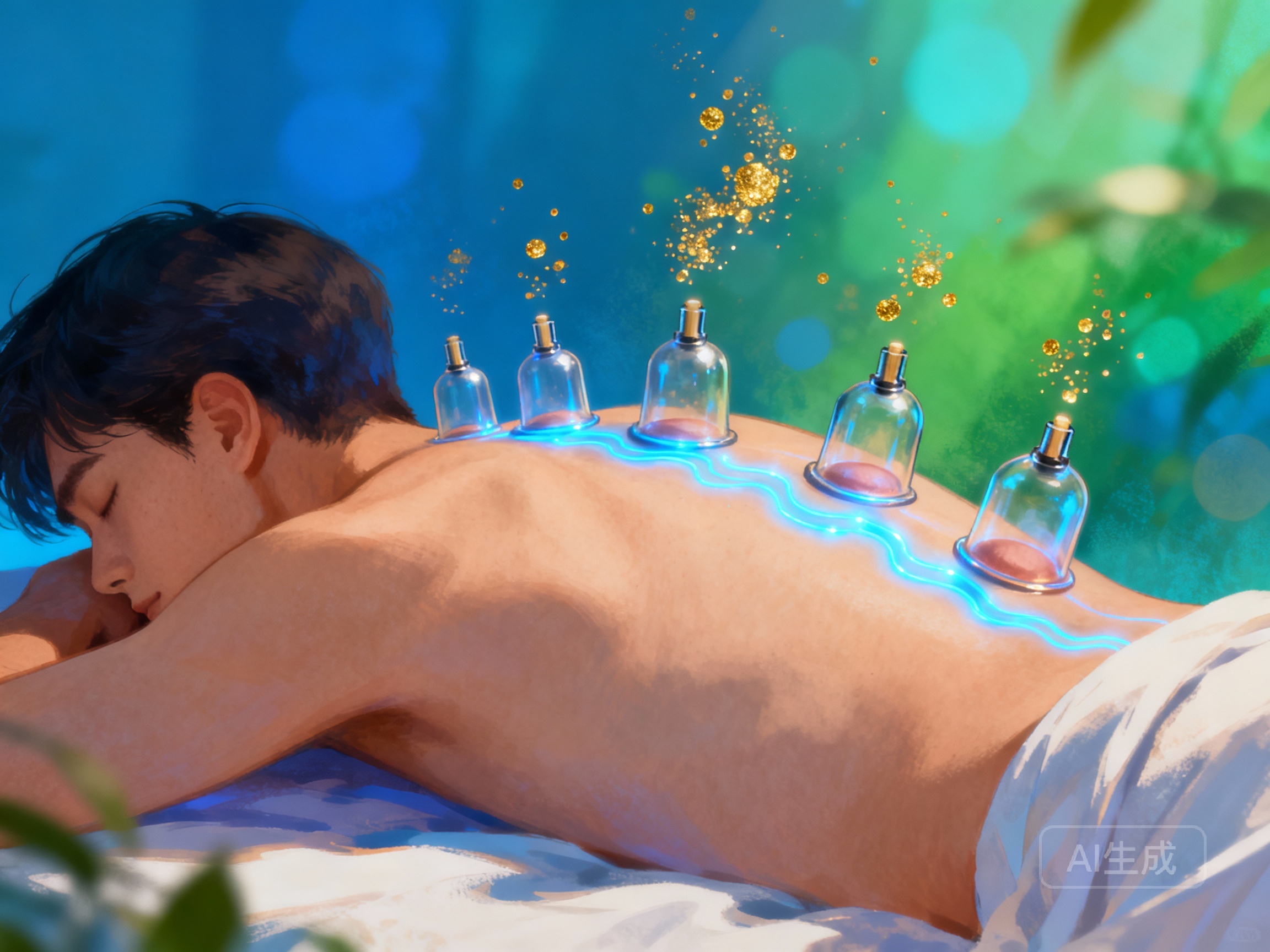
Cupping Therapy Misconceptions often cloud understanding, preventing many from experiencing this ancient practice fully. This guide will clarify common misunderstandings, ensuring you approach cupping with confidence. Let's dive into the real science and subtle art behind those fascinating circular marks.

Demystifying Cupping Therapy's Purpose: Beyond Just Pain Relief
Many believe cupping therapy solely "sucks out toxins" or only alleviates pain. This perspective is a significant misconception. In reality, cupping uses negative pressure, gently lifting the skin. This action boosts local blood flow and helps regulate your body's vital energy, or Qi. Think of Qi stagnation like a traffic jam in your body. Cupping helps clear the blockages. Consequently, cupping can address a range of conditions, not just muscle aches (PMID 32087640). However, it's not a magical cure-all solution for every ailment.
Understand Its Scope: Discover Broader Healing
Cupping extends beyond simple pain management. It supports circulation and encourages relaxation. It can aid in respiratory issues and digestive discomfort. Always discuss your specific health goals with a practitioner first. They will assess your needs. Learn more about its foundational principles at Cupping Therapy Basics.
Optimally Adjusting Cupping Sessions: Why More Isn't Always Better
Another common myth suggests that cupping requires extreme force or longer durations for maximum effectiveness. This aggressive approach is actually counterproductive. Excessive pressure or extended application can easily damage your skin. It may also deplete your body's protective energy (known as Wei Qi). A skilled practitioner adjusts intensity and duration. They consider your unique body type, the specific area being treated, and your current health condition. Always prioritize comfort over intensity.
Personalize Your Treatment: Prevent Skin Strain
Your cupping session should feel therapeutic, not painful. Gentle suction is often more effective than strong. Short sessions can be just as beneficial as longer ones. Always communicate with your therapist. They can fine-tune the experience. This ensures a safe and effective treatment plan.
Interpreting Cupping Marks: Decoding Your Body's Signals Without Panic
The circular marks left after cupping are often mistaken for painful bruises, causing unnecessary alarm. These marks are actually called ecchymoses, not bruises. Their varying colors and depths reveal insights into your body's condition. Lighter marks might indicate mild congestion. Darker marks often suggest more significant stagnation. These marks are a natural part of the process. They typically fade within a few days. They reflect localized blood flow and energy patterns. Don't let the visual deter you (PMID 29853909).
Observe Your Marks: Understand Body Signals
These marks provide valuable diagnostic information to your practitioner. They are not simply random discolorations. They help guide subsequent treatments. Understanding their meaning can empower your healing journey. For deeper insights into body responses, explore Qi & Blood concepts.
Crucially Maintaining Hygiene: The Unspoken Foundation of Safe Cupping
Some mistakenly believe that strict hygiene is not critical for cupping therapy. This oversight is potentially dangerous and entirely incorrect. Proper sterilization of all equipment is absolutely essential. Meticulous cleaning of the skin before treatment is also paramount. Skipping these steps risks infection or other complications. Always ensure your practitioner maintains the highest standards of cleanliness. A sterile environment is non-negotiable for your safety.
Protect Your Health: Ensure Clean Practices
Only use professional, sanitized equipment. Insist on single-use cups or thoroughly sterilized reusable ones. Cleanliness protects both you and the practitioner. Your health and safety are the top priority. This commitment to hygiene guarantees a positive experience.
Wisely Recognizing Contraindications: Who Should Avoid Cupping Therapy?
The assumption that anyone can receive cupping therapy is another dangerous misconception. Certain individuals should avoid cupping or proceed with extreme caution. Pregnant women, for example, have specific areas that are contraindicated. Those with broken skin, open wounds, or severe skin conditions should never undergo cupping. Individuals with certain serious medical conditions, like severe bleeding disorders, also need careful evaluation. Always consult a healthcare professional. They can determine if cupping is safe for you. This crucial step prevents adverse reactions.
Know Your Limits: Practice Safe Cupping
Always disclose your full medical history. A thorough consultation protects your well-being. Cupping is a powerful tool when used appropriately. It becomes risky otherwise. Make informed decisions about your health. Understanding Cupping Therapy Misconceptions ensures proper application and safety. (PMID 29429184).
Properly understanding cupping therapy means recognizing it as a nuanced, auxiliary method within Traditional Chinese Medicine (TCM). It demands careful consideration of suitable indications, correct techniques, and impeccable hygiene. By debunking these common cupping therapy misconceptions, you can approach this ancient healing art with clarity and respect, unlocking its true potential for wellness.
Quick Cupping Check-Up: Your 3-Second Self-Test & 30-Second Self-Help
- If your cupping marks are excessively painful, blistering, or last longer than a week, then immediately consult a healthcare professional and pause further cupping sessions.
- If you feel unwell or lightheaded during or after a cupping session, then immediately stop, remove the cups, and lie down with your feet elevated. Seek professional advice if symptoms persist.
- If you are pregnant, have a bleeding disorder, or skin lesions, then immediately understand cupping is contraindicated for you without explicit medical clearance. Do not attempt cupping.