Understand Acupoints Fast: What Are These Body "Switches" Really?
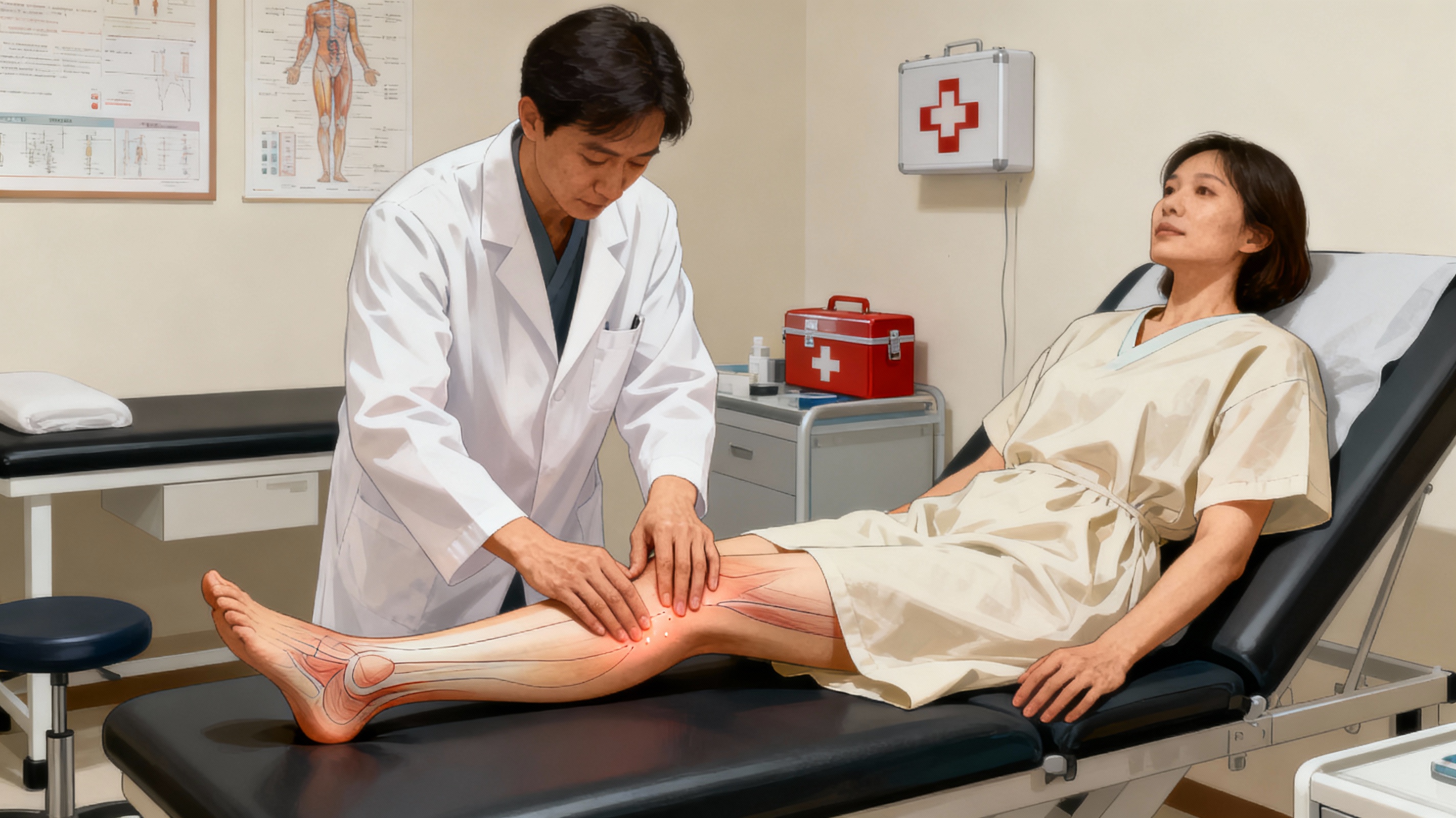
Acupoints, or acupuncture points, are a vital part of Traditional Chinese Medicine. These are precise spots on the body used to regulate internal energy—your body’s "power switches.” Acupoints activate healing responses through light pressure or fine needles. Think of them like control buttons that guide your body's inner systems. These points connect to the body's energetic highways called meridians—a network directing energy and blood, just like freeway intersections manage traffic.
Tap Into Energy Centers: Easy Access, Big Impact
Stimulating acupoints—with acupuncture or massage—can improve energy flow, known as "qi" (like a traffic jam in your body when blocked). Pressure helps balance yin and yang, TCM’s foundation of harmony. These treatments support the body’s healing, improve blood circulation, and boost immunity. One well-placed press may ease back pain or reduce stress. In fact, a study showed acupuncture significantly reduced chronic pain symptoms (PMID: 22965186).
Use the Right Points: Quick Relief with Natural Tools
Acupoints are used across the scalp, torso, arms, and legs—virtually everywhere. The Huangdi Neijing, a TCM classic, charts hundreds of these spots and their effects. Today, modern healthcare is taking notes: studies back up acupoint stimulation for symptoms ranging from migraines to digestive issues (PMID: 26433891). Therapies like Tuina massage or gentle acupressure offer drug-free comfort, especially in chronic care.
Pair Targeted Treatment: Restore Balance Inside Out
What’s amazing? Pressing points like ST36 (below your kneecap) can ease fatigue or even boost digestion. Acupoints restore internal order when things feel off. They activate natural self-regulation—when qi is trapped or sluggish, pressing a point can boost flow immediately. As researchers confirm, consistent acupoint therapy can trigger endorphin release and reduce stress-related hormonal spikes (PMID: 17949969).
Think Buttons, Not Magic: Simpler Than You’d Expect
For the average American, acupoints are like using an app: press the right icon, and your system responds. No incense, no mystery—just real, physical points linked to your nervous system. With growing university research, more doctors are recommending "point-based therapies" alongside diet or diet therapy. It’s not about mysticism, but measurable reactions. The best part? You can try it at home—better yet, the techniques are gentle for any age.
Map Your Health: Don't Skip This Body Blueprint
Acupoints aren't guesswork. They’re documented in over 2,000 years of texts and now validated through imaging and brain response scans. The U.S. NIH officially recognizes acupuncture as a complementary practice, citing its benefits on chronic pain and anxiety. These physical markers are the interface between ancient practice and modern results. Even if you just try massaging one key point—like LI4 on the hand—you'll feel how connected your system really is.
- Acupuncture effective for chronic pain: PMID: 22965186
- Point ST36 regulates digestion and energy: PMID: 26433891
- Hormonal stress reduction from point therapy: PMID: 17949969
One Tap, One Reset: Try These Now
If you feel neck tightness → Press GB20 (back of neck) for 30 seconds.If you feel tired digestion → Tap ST36 (shin) right after meals.If you feel anxious → Rub PC6 (inner wrist) for calming signals.