Understanding Early Signs of Premature Ejaculation — Don't Ignore Them
Premature ejaculation (PE) is when a man ejaculates before vaginal penetration or very shortly after, typically with minimal stimulation and without the desired sexual satisfaction. Although the penis may become erect, ejaculation occurs too quickly, followed by a loss of erection that prevents intercourse from continuing. This condition can leave both partners unsatisfied and is considered one of the most common forms of male sexual dysfunction.
It’s important to note that a single episode of PE doesn’t indicate a clinical condition. A diagnosis of PE is made only when it occurs consistently and interferes with the ability to have satisfying sexual activity. Research shows that about one-third of men experience PE regularly, and over two-thirds express dissatisfaction with their ejaculation timing.
Severe PE is relatively easy to identify—it can happen before intercourse begins, during penetration, or immediately afterward with minimal thrusting. While some men in their youth may not struggle with early ejaculation, others begin experiencing it around middle age as part of a broader decline in sexual function.
Psychological Coping Tactics That Actually Work
Communicate Honestly With Your Partner
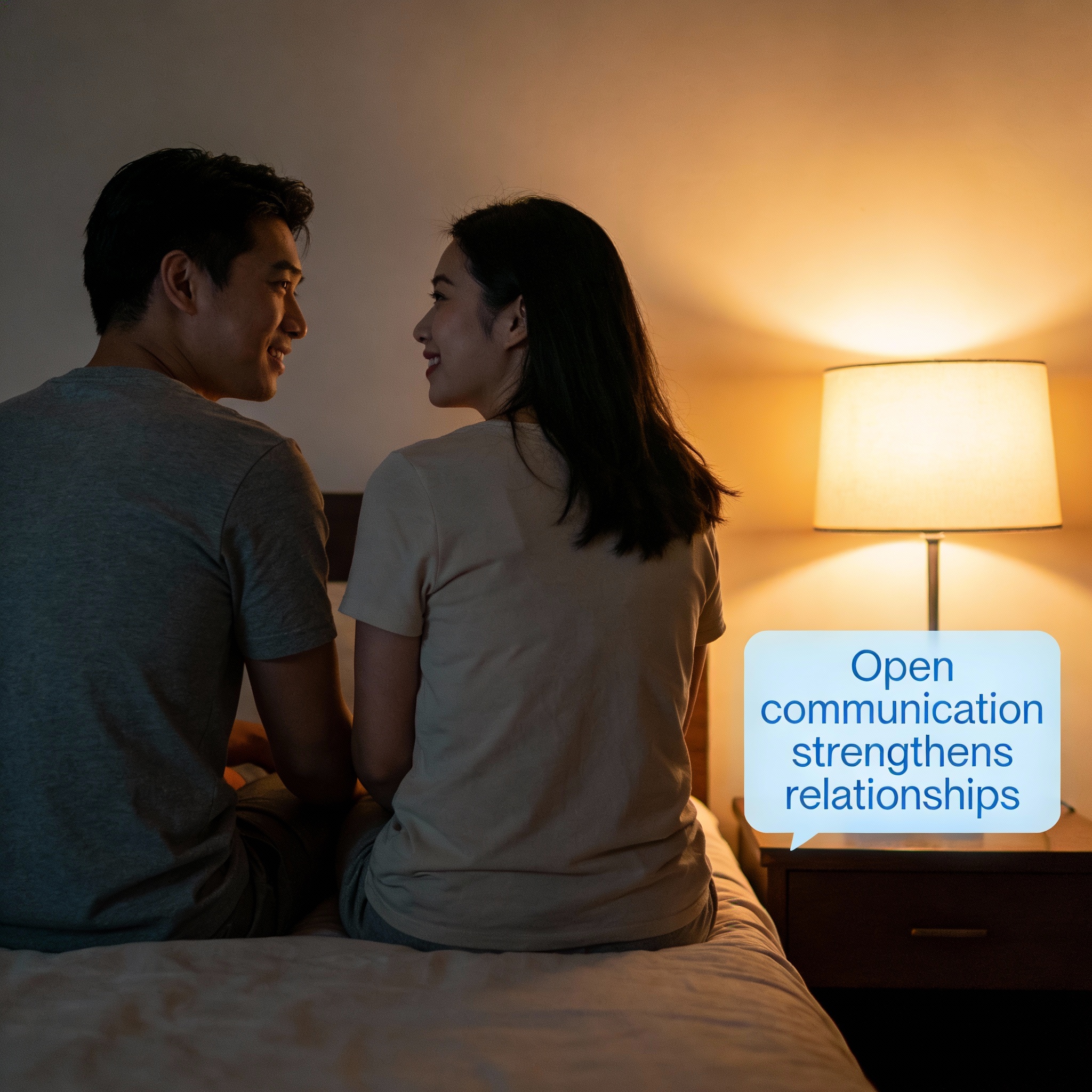
A strong and open communication line between partners is key. Men and their partners should learn about the natural differences in sexual response between the sexes. This helps dispel misunderstandings and supports the development of intimacy through better techniques and mutual understanding.
Don't Add Pressure to Perform
Stress, anxiety, and performance pressure often worsen PE. The more a man fixates on not ejaculating too early, the more likely it is to happen. Avoid phrases like “I must last longer tonight,” as they reinforce negative mental loops.
Support Each Other Emotionally
If PE happens occasionally, it’s crucial that the female partner offers support rather than criticism. A gentle and patient approach helps boost the man's confidence and reduces associated guilt or fears.
Sex is About Pleasure, Not Just Duration
Sexual satisfaction doesn’t solely depend on how long intercourse lasts. Quality matters more than quantity. Being attentive to a partner’s emotions, needs, and preferences—along with introducing varied techniques like oral sex (always consensual and respectful)—can boost mutual satisfaction even without extended intercourse.
According to sex therapists, allowing women to take an active role, like being on top, can shift focus and improve control, fostering greater intimacy and enjoyment.
Powerful Lifestyle-Based Prevention Methods
1. Commit to Daily Physical Activity
Routine outdoor activities and practices like qigong—aimed at enhancing physical resilience and mindfulness—can greatly help improve control over ejaculation.
2. Cut Down on Harmful Habits
This includes reducing or stopping frequent masturbation, avoiding pornography, and refraining from unhealthy sexual behavior. It's essential to maintain regular and balanced sexual routines.
3. Create the Right Mental Space
Relaxing the mind and managing emotions around sex—like fears of performance or pregnancy—can greatly reduce PE triggers. Focus less on outcomes and more on shared connection.
4. Avoid Sex When Exhausted
Don’t engage in intercourse when overly tired or under emotional stress. Also, avoid using “quick second rounds” right after PE as a coping method—over time this can harm overall reproductive health.
5. Nourish Your Body the Right Way
Incorporate nutrient-rich foods that support reproductive health. These may include:
- Oysters
- Pigeon eggs
- Pork kidneys
- Soft-shelled turtle
- Clams
- Walnuts
- Fox nuts (Gorgon fruit)
- Chestnuts
If considering natural remedies, ensure you prepare ingredients carefully. For example, **remove cores/germ from ginkgo seeds before use**, and avoid long-term, excessive consumption to prevent toxicity.
Ginkgo should never be taken in large quantities or over long periods.
6. Steer Clear of Heat-Inducing Foods
Those with a body type prone to internal heat (Yin deficiency with excessive Fire) should avoid spicy or “hot” foods like dog meat, lamb, or bull penis, which may worsen the condition.
7. Say No to Alcohol and Spicy Foods
Practicing moderation, especially when it comes to alcohol and spicy foods, protects gut and metabolic health, which contributes to better reproductive performance.
An Empowered Couple = Lasting Results
Real improvement starts when both partners take part equally—emotionally and physically. Introducing new approaches to intimacy, studying sexual wellbeing, and being open to experimentation builds trust and boosts control.
Remember: enhancing sexual performance is not only about physical endurance but also about emotional connection, mutual respect, and open dialogue.
References
- "Premature Ejaculation: From Etiology to Diagnosis and Treatment" — [PubMed](https://pubmed.ncbi.nlm.nih.gov/30654618/) (PMID: 30654618)
- "Cognitive Techniques in Sex Therapy" — [PubMed](https://pubmed.ncbi.nlm.nih.gov/27137929/) (PMID: 27137929)
- "Huang Di Nei Jing Su Wen" — English Translation: *The Yellow Emperor’s Classic of Medicine* — [Excerpt on Holistic Sexual Harmony](https://pubmed.ncbi.nlm.nih.gov/1869754/) (PMID: 1869754)
Self-Test + Instant Action Plan
If you're not lasting at least one minute after penetration more than half the time,
test now: time yourself in a relaxed setting with a partner.
If you confirm you usually climax in under 60 seconds,
act now: begin with pelvic floor exercises + cut out alcohol and excessive self-stimulation for 1 week.
If you also experience anxiety before sex,
immediately try: five-minute breathing meditation + focus shift techniques (touching, kissing first) to reset mental cues.
For informational purposes only. Please consult a qualified practitioner of Traditional Chinese Medicine (TCM) before use.