Radix Ardisiae: Unveiling the Traditional Chinese Medicine Powerhouse
Dive into the world of Traditional Chinese Medicine (TCM) with us as we explore Radix Ardisiae, known in Chinese as 朱砂根 (Zhūshāgēn). This fascinating herb, recognized for its potential health benefits, has a long history in Eastern healing traditions. Let's break down what makes this root a staple in the TCM toolkit.
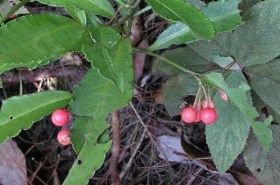
Understanding Radix Ardisiae
Common Names: In various folk traditions, it's also known by poetic names such as "Umbrella Covering Golden Pearls," "Ground-level Wood," or "Large Umbrella."
Nature and Flavor: Radix Ardisiae is characterized by a slightly bitter and pungent taste, and it's considered energetically neutral.
Meridian Tropism: According to TCM principles, this herb is believed to primarily influence the Lung and Liver organ systems, helping to balance their vital functions and energy pathways.
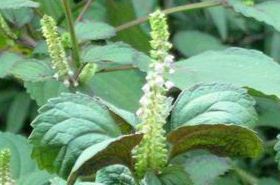
Medicinal Part: The therapeutic benefits come from the dried root of the *Ardisia japonica* plant, which belongs to the Myrsinaceae family.
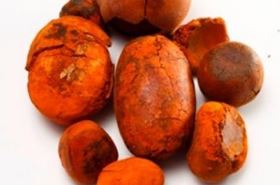
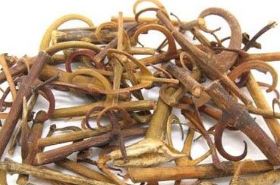
Morphological Characteristics: This herb presents as irregular root segments. Its outer skin is typically greyish-brown or reddish-brown, often displaying distinct longitudinal wrinkles and transverse or annular fracture marks. The cortex and woody parts are usually easy to separate. The cortex is notably thick, often making up about one-third to one-half of the root's diameter, appearing off-white or pinkish with scattered purple spots on its outer surface. The wood beneath is yellowish-white and has an uneven texture. Radix Ardisiae has a subtle aroma, a slightly bitter taste, and imparts a characteristic tingling sensation on the tongue.
How to Use Radix Ardisiae
Dosage: The generally recommended dosage for Radix Ardisiae ranges from 3 to 9 grams.
Preparation: To prepare Radix Ardisiae for medicinal use, impurities are first removed. The root is then thoroughly washed, moistened until fully softened, cut into appropriate sections, and finally dried.
The Health Benefits of Radix Ardisiae
Efficacy: This herb is traditionally valued for its ability to clear toxins and reduce swelling, promote healthy blood circulation to alleviate pain, and dispel "wind" and "dampness" from the body, which are common contributing factors to discomfort in TCM.
Indications: Radix Ardisiae is commonly used to address conditions such as a sore and swollen throat, discomfort associated with rheumatic pain (often referred to as Bi Syndrome in TCM), and various traumatic injuries like sprains and contusions.
Important Considerations for Radix Ardisiae
Contraindications: Individuals with general weakness or debility should exercise caution when using this herb. Always consult a qualified TCM practitioner before incorporating Radix Ardisiae into your health regimen, especially if you have underlying health conditions or are taking other medications.
Historical Insights on Radix Ardisiae
The esteemed ancient Chinese medical text, the *Compendium of Materia Medica* (《本草纲目》), offers a historical description, stating: "Radix Ardisiae grows deep within the mountains; nowadays, only those from Taihe Mountain collect it. Its seedlings stand about a foot tall, with leaves resembling those of holly, notably red on their undersides. It thrives in the summer. The roots are stout as chopsticks and reddish in color, quite similar to *Bai Liang Jin* (Ardisia crispa)." This account underscores its long-standing recognition and traditional gathering methods.
Quick Check-in & Self-Care Tip!
3-Second Self-Test: If you're experiencing a nagging sore throat, sudden joint stiffness, or minor bumps and bruises, and wonder about natural remedies.
30-Second Self-Help: Immediately try some gentle rest, apply a cool compress to minor swellings, or enjoy a soothing, non-medicated herbal tea. Remember, these are quick comfort tips, not substitutes for professional medical advice!
References
Research suggests that *Ardisia japonica* exhibits significant anti-inflammatory properties, potentially aiding in various inflammatory conditions. PMID: 32306351
Studies have explored the analgesic and anti-inflammatory activities of *Ardisia japonica*, supporting its traditional use for pain relief. PMID: 21546200
Extracts from *Ardisia japonica* demonstrate both antioxidant and anti-inflammatory effects, contributing to its overall therapeutic potential. PMID: 24040019
For informational purposes only. Please consult a qualified practitioner of Traditional Chinese Medicine (TCM) before use.