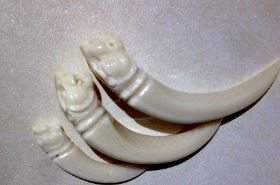
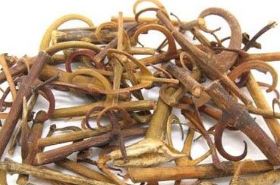
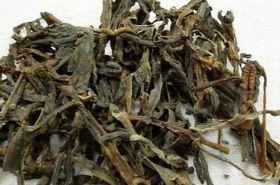
Jiulong Teng (Dragon Vine)
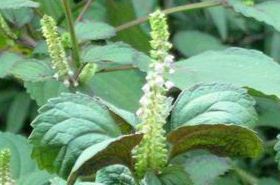
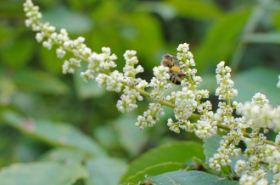
Hey there, ever heard of Jiulong Teng? It's a fascinating herb from Traditional Chinese Medicine (TCM), also known by a bunch of different names depending on where you are. Think of it as the "Over-ridge Dragon," "Black Vine," "Swallow's Tail," "Pig's Hoof Fork," "Yellow Opening," or even "Five-mile Mushroom" – pretty cool, right? Botanically speaking, we're talking about the root or stem of the Bauhinia championii plant, a member of the legume family.
Traditionally, TCM practitioners describe Jiulong Teng's properties as bitter and pungent in taste, neutral in nature, and considered non-toxic.
How to Use Jiulong Teng: Dosage and Preparation
So, how do you actually use this amazing herb? Typically, Jiulong Teng is prepared as a decoction, which basically means you boil the dried slices in water to create a medicinal tea. The usual dosage for dried slices ranges from 9 to 15 grams. If you're lucky enough to get your hands on fresh Jiulong Teng, you'd double that amount. Another traditional method is to macerate it in wine, which extracts its beneficial compounds.
You can collect the herb anytime, slice it up, and then sun-dry it for future use.
Jiulong Teng: What It's Good For (Traditional Uses)
In the world of TCM, Jiulong Teng is highly valued for its ability to "dispel wind and dampness" and "invigorate vital energy and blood circulation." What does that mean for your health? Well, these actions are traditionally linked to a host of benefits, particularly for issues related to pain and circulation.
It's commonly used to address conditions like:
- Rheumatic Pain (Bi Syndrome): Think aches, stiffness, and discomfort, especially those influenced by environmental factors like wind and dampness.
- Traumatic Injuries: Such as sprains, bruises, and general soreness from bumps and falls.
- Hemiplegia (One-Sided Paralysis): Traditionally used as supportive care for this condition, often linked to impaired circulation.
- Epigastric Pain: Discomfort or pain in the upper abdomen, often associated with stomach issues.
- Childhood Malnourishment (Gan Ji): Historically applied to help children struggling with nutrition and digestive health.
- Dysentery: A traditional remedy for this intestinal infection, aiming to clear damp-heat.
Traditional Jiulong Teng Formulations
Jiulong Teng isn't always used alone; it often shines when combined with other herbs to enhance its effects. Here's a classic example from the "New Herbal Medicine Prescriptions Collection":
For tackling stomach and duodenal ulcers:
Combine 1 to 2 liang (approximately 30-60 grams) of Jiulong Teng with 2 to 3 qian (about 6-9 grams) of Two-Sided Needle (Rauwolfia verticillata). Brew this mixture into a decoction, taking one dose daily, divided into two to three servings. (Source: "New Herbal Medicine Prescriptions Collection")
References
While Traditional Chinese Medicine has a long history of use, scientific research continues to explore the mechanisms of action for herbs like Jiulong Teng. Modern studies often delve into the anti-inflammatory and pain-relieving properties of botanicals used for similar conditions in TCM. For more information on the efficacy of herbal remedies for pain management and general TCM principles, consider exploring resources like PubMed.
For foundational insights into TCM theory and practice: PMID: 30678229
Regarding herbal treatments for rheumatic diseases: PMID: 34293881
On TCM approaches to gastrointestinal health: PMID: 33800683
Quick Self-Check & Self-Rescue
Feeling a bit achy or dealing with some stomach woes?
If you're experiencing persistent discomfort like chronic joint pain, digestive upset, or slow recovery from an injury that just won't quit, then it might be time to consider traditional remedies or explore holistic health options.
Immediately, take a moment to reflect on your symptoms. Are they sudden and severe? Or recurring and bothering your daily life? While Jiulong Teng is a traditional herb, for any new or worsening health concerns, it's always best to consult a healthcare professional. For minor, chronic issues, exploring well-researched traditional options under guidance could be beneficial for long-term well-being.
For informational purposes only. Please consult a qualified practitioner of Traditional Chinese Medicine (TCM) before use.