Traditional Chinese Wisdom
Classical concepts, philosophy, and historical context of Chinese wellness traditions.
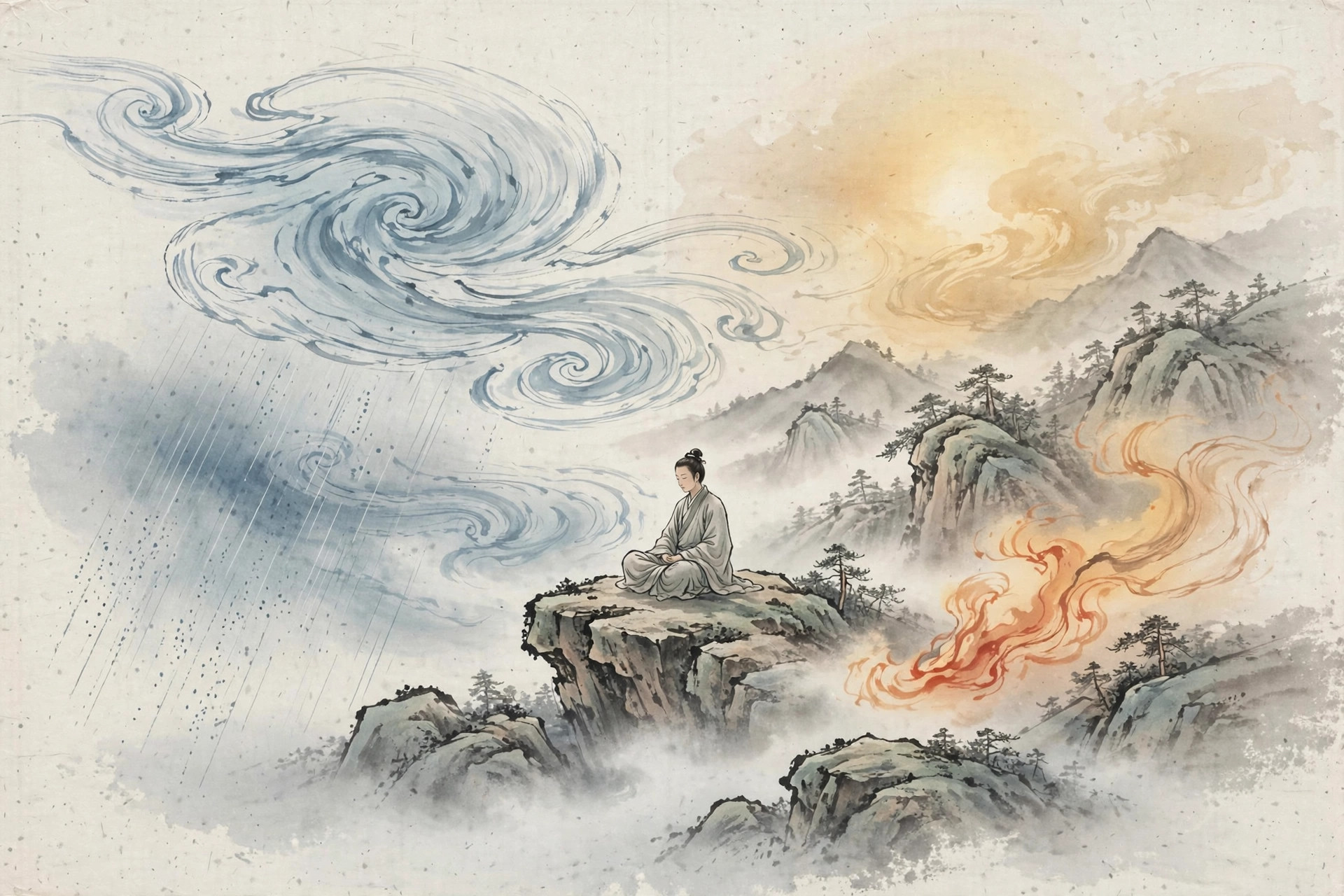
The Huangdi Neijing links joy, anger, worry, grief, and fear to the five organs. This article explains the five emotions, how they move qi, and what emotional…
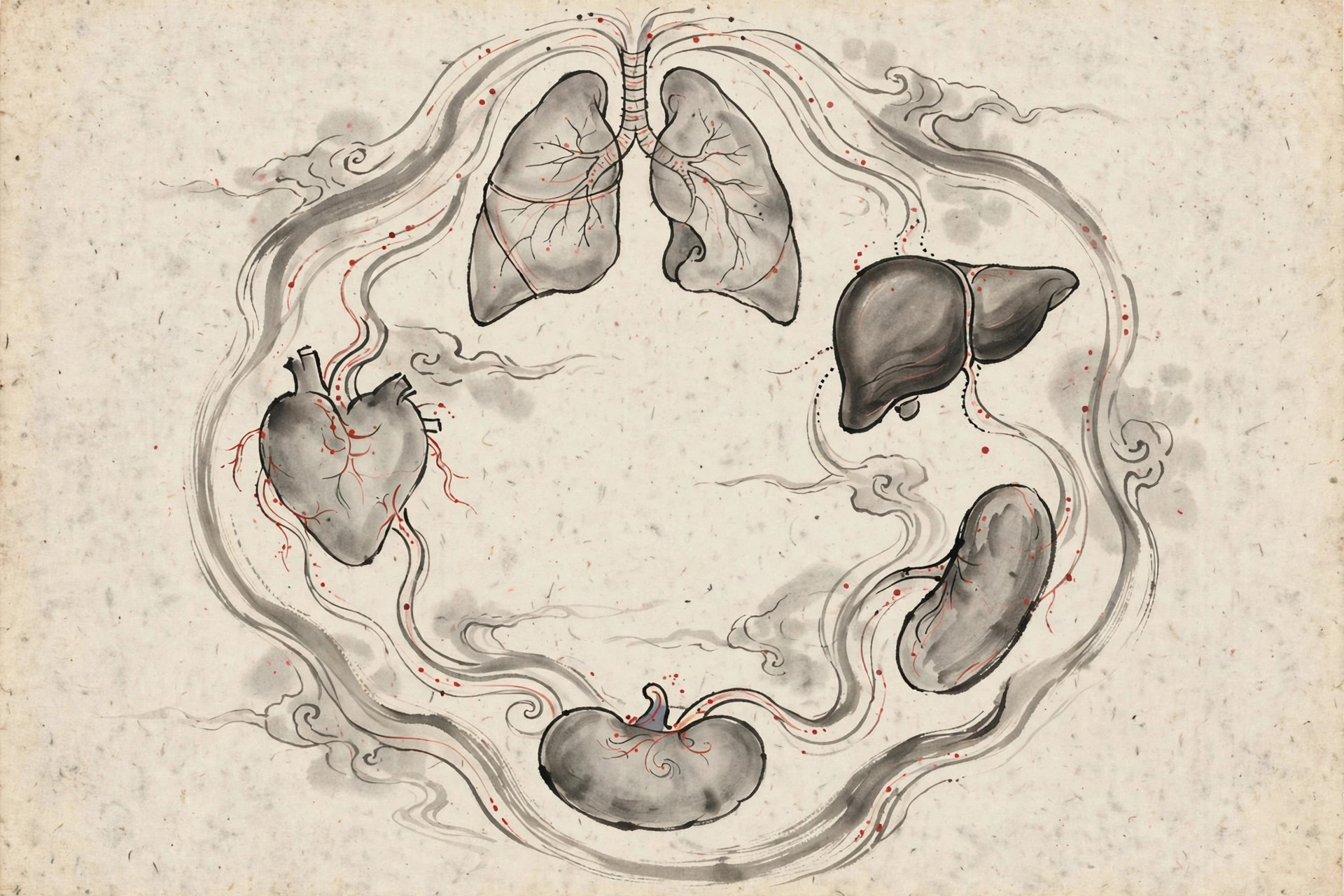
"The Huangdi Neijing describes the heart, liver, spleen, lungs, and kidneys not as anatomical parts but as five functional networks. This article explains each…
The Huangdi Neijing is the foundational text of traditional Chinese medicine. Learn what it is, when it was compiled, and why its ideas about balance endure.
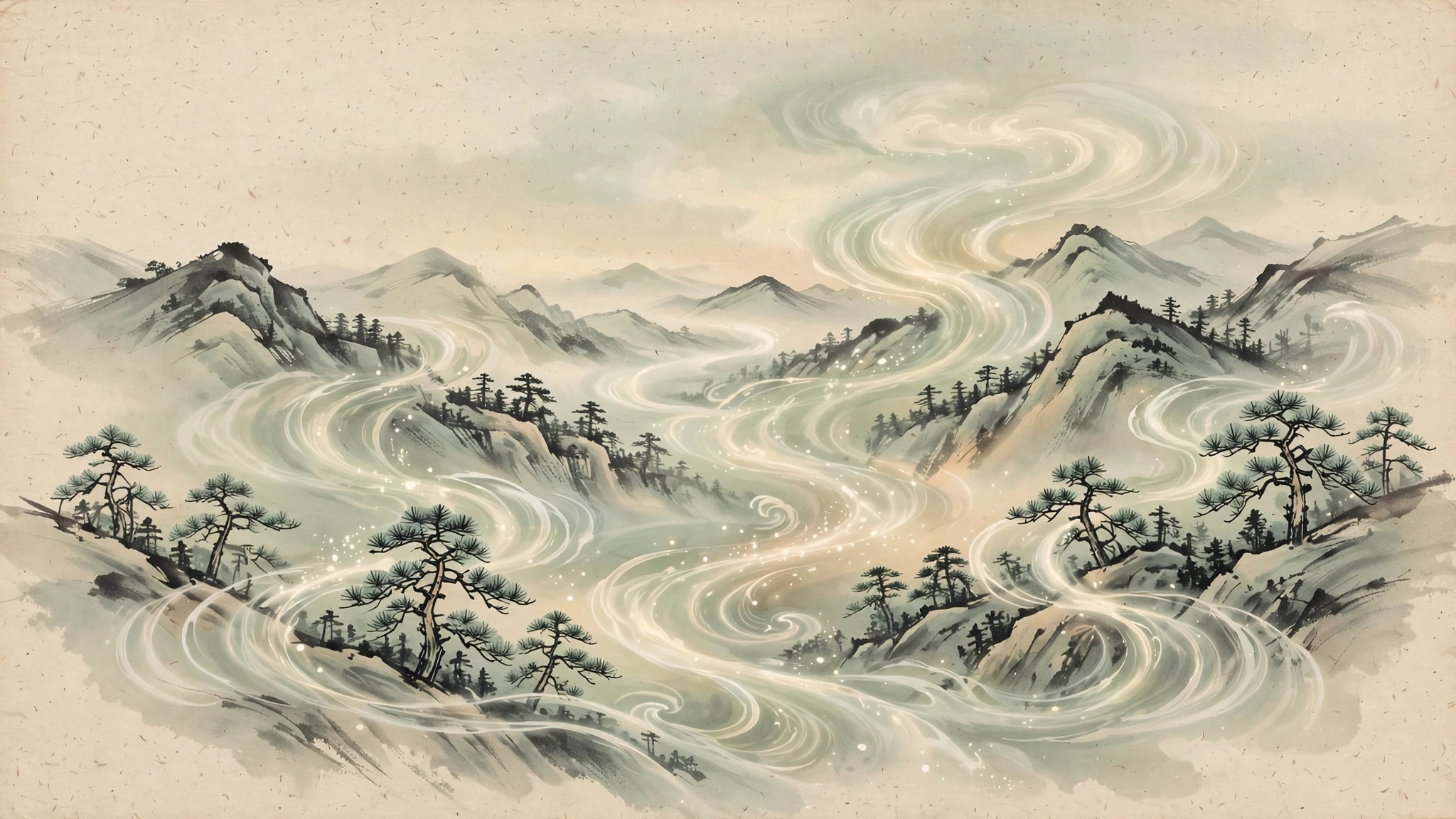
What "qi" traditionally meant in Chinese wellness thought, how classical texts describe it, and how modern readers can understand the concept today.
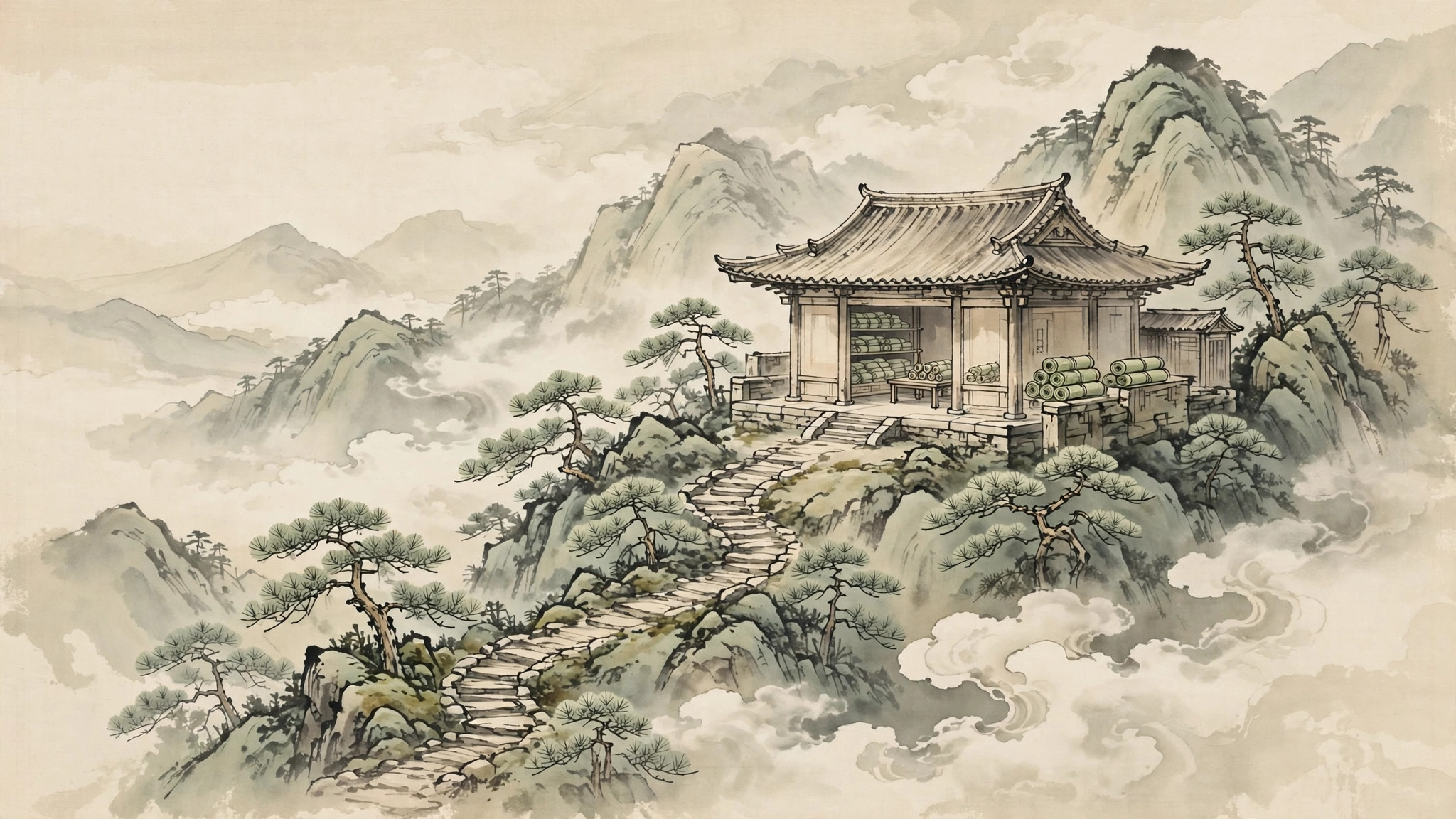
Why has the Huangdi Neijing (黃帝內經) guided Chinese medicine for 2,000 years? Explore the Yellow Emperor's Inner Canon — its history, ideas, and influence.
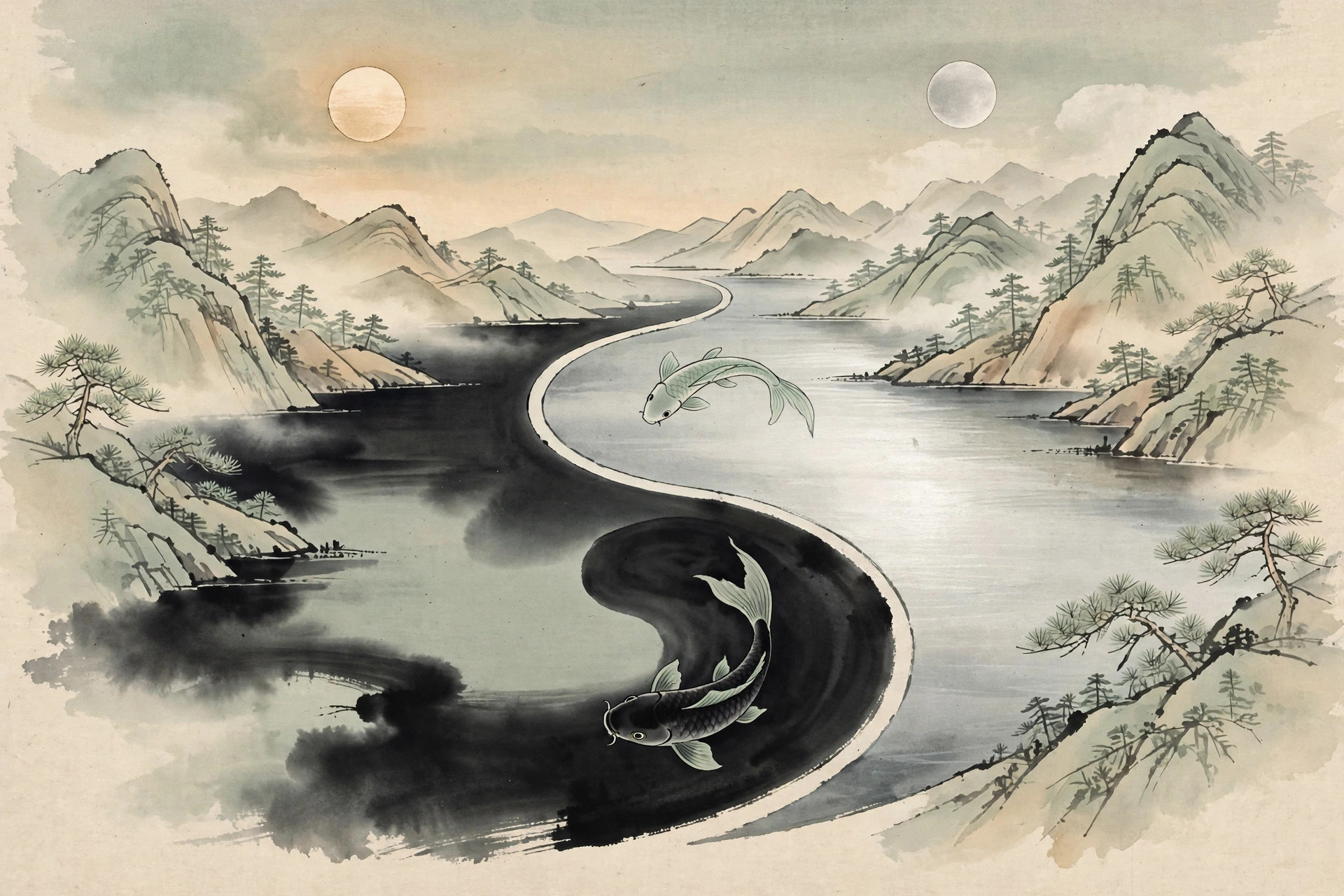
Yin and yang (陰陽) sit at the heart of the Huangdi Neijing. Learn what they meant in this ancient classic — complementary forces shaping nature and the body.
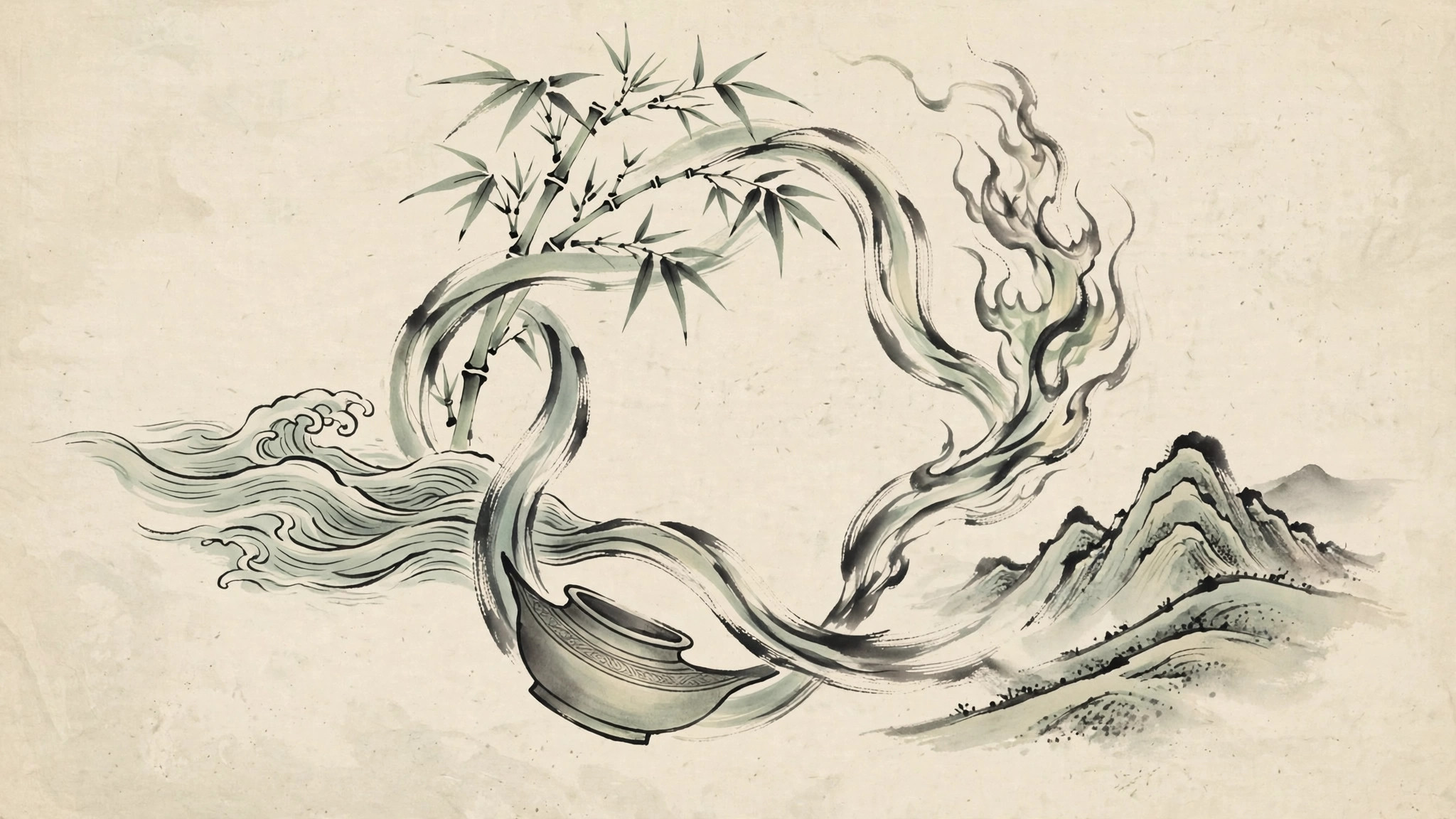
Wood, fire, earth, metal, water — the five phases (五行) shaped Chinese thought for centuries. Discover their history, cycles, and role in traditional medicine.
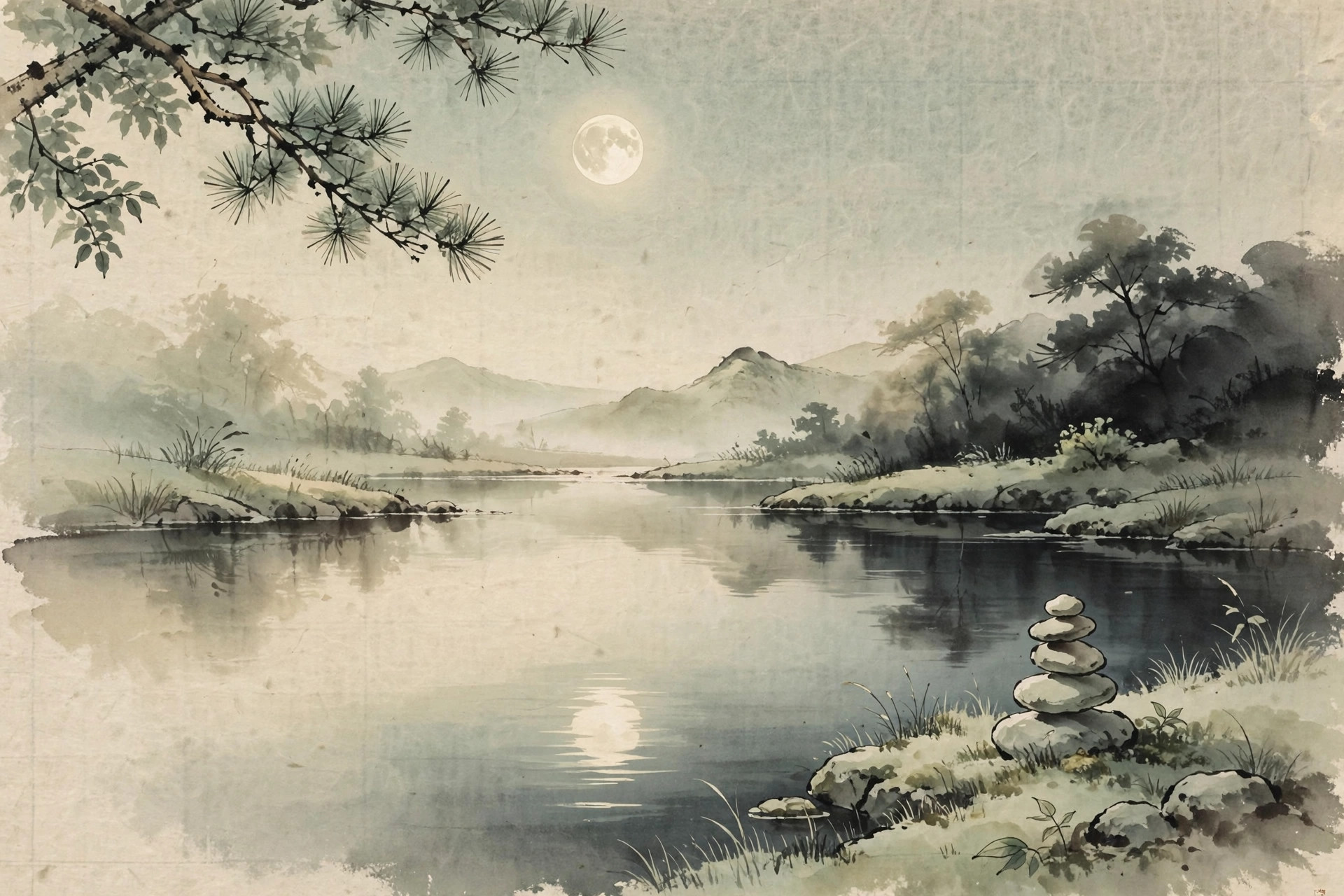
Balance in traditional Chinese medicine means harmony between yin and yang, the smooth flow of qi, and living in step with nature's daily and seasonal rhythms.
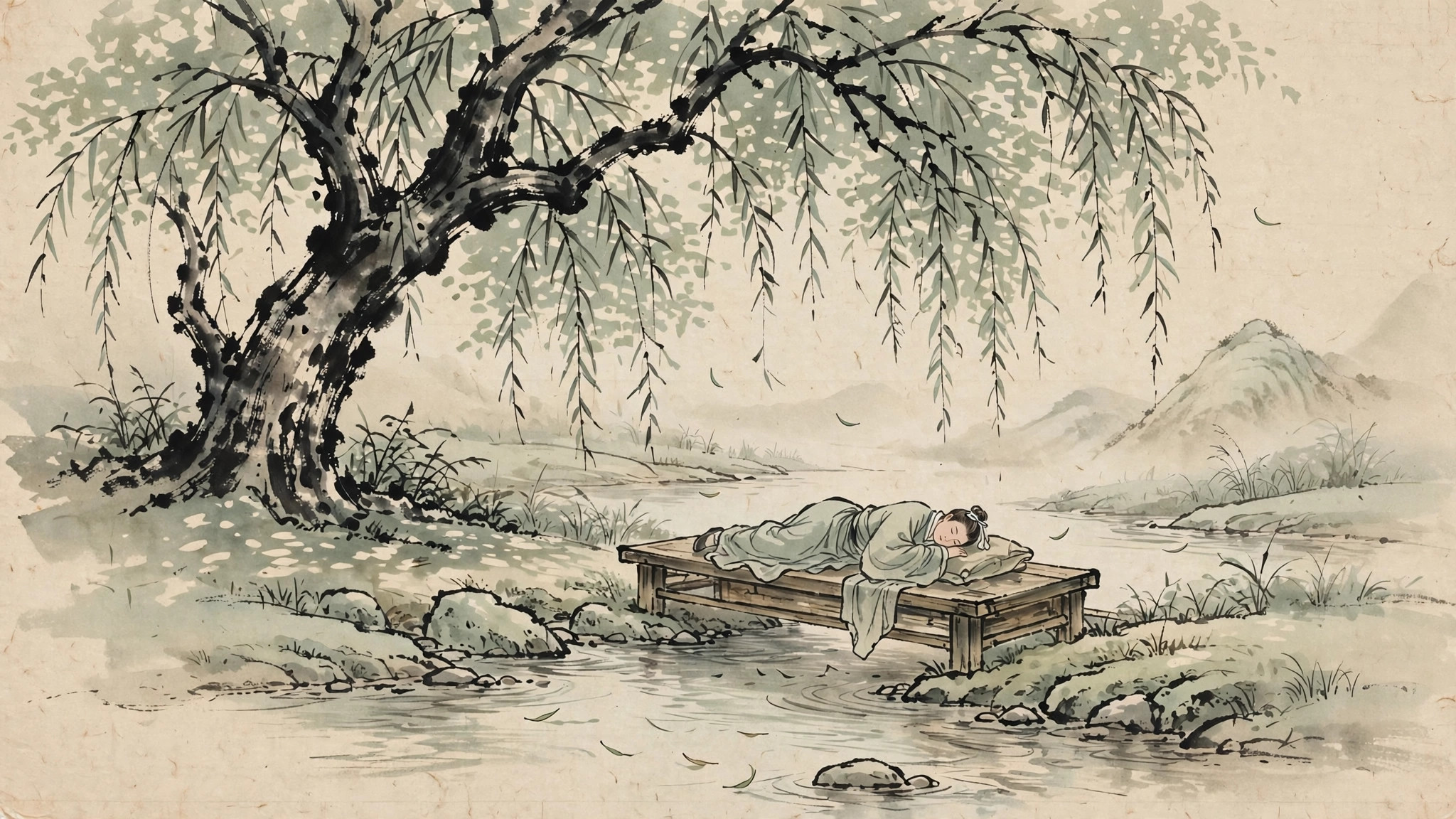
In classical Chinese thought, rest is half of life's rhythm — not a reward for work. Explore yangsheng, sleep wisdom, and emotional stillness in this guide.
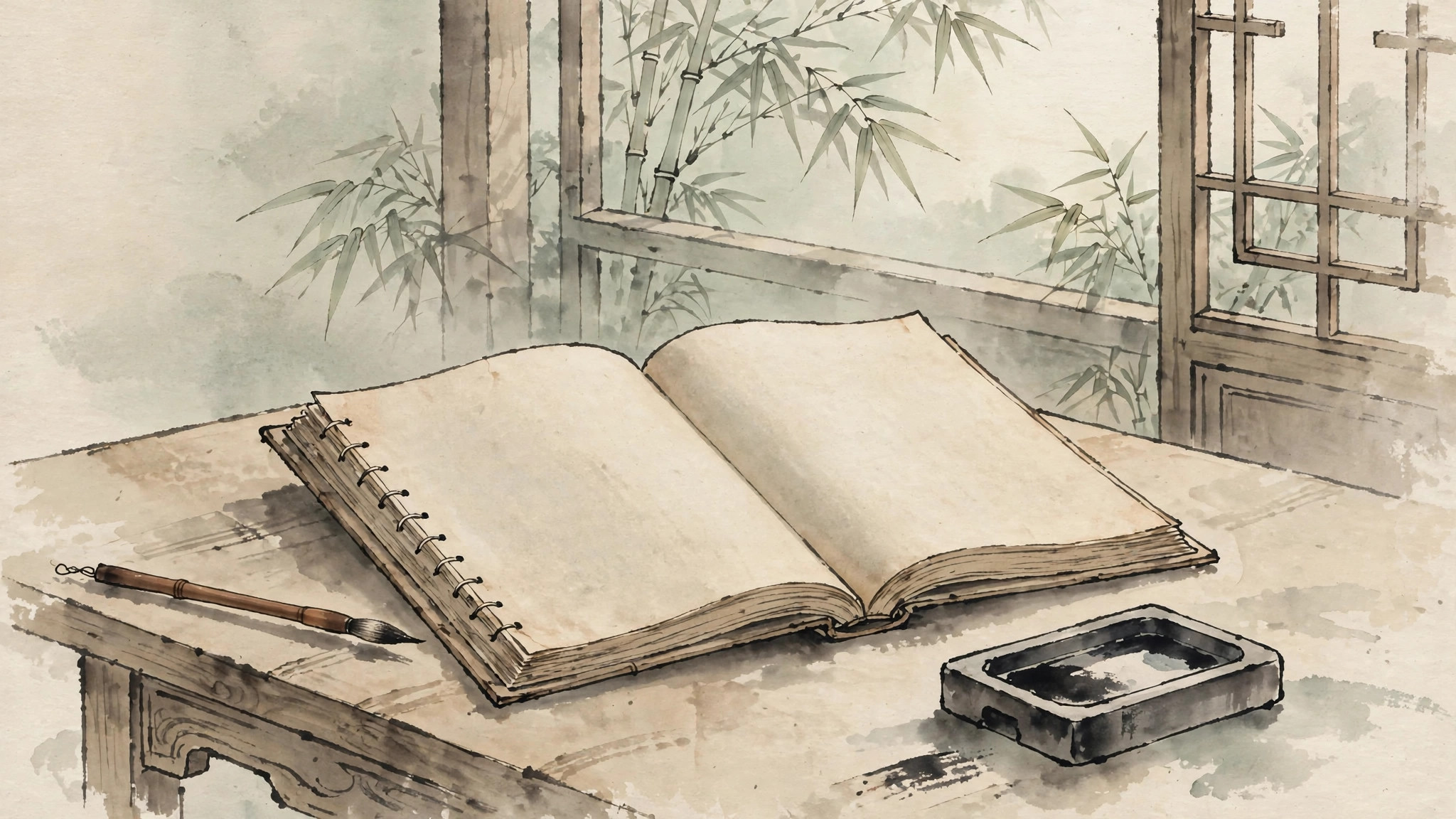
A practical guide to the Huangdi Neijing for modern readers: what the text is, where to start, how to handle translations, and how to read it honestly.