Traditional Chinese Wisdom
Classical concepts, philosophy, and historical context of Chinese wellness traditions.
Chronic pharyngitis — a persistent scratchy, dry, or uncomfortable throat that lingers for weeks or months — is one of the most common reasons people seek…
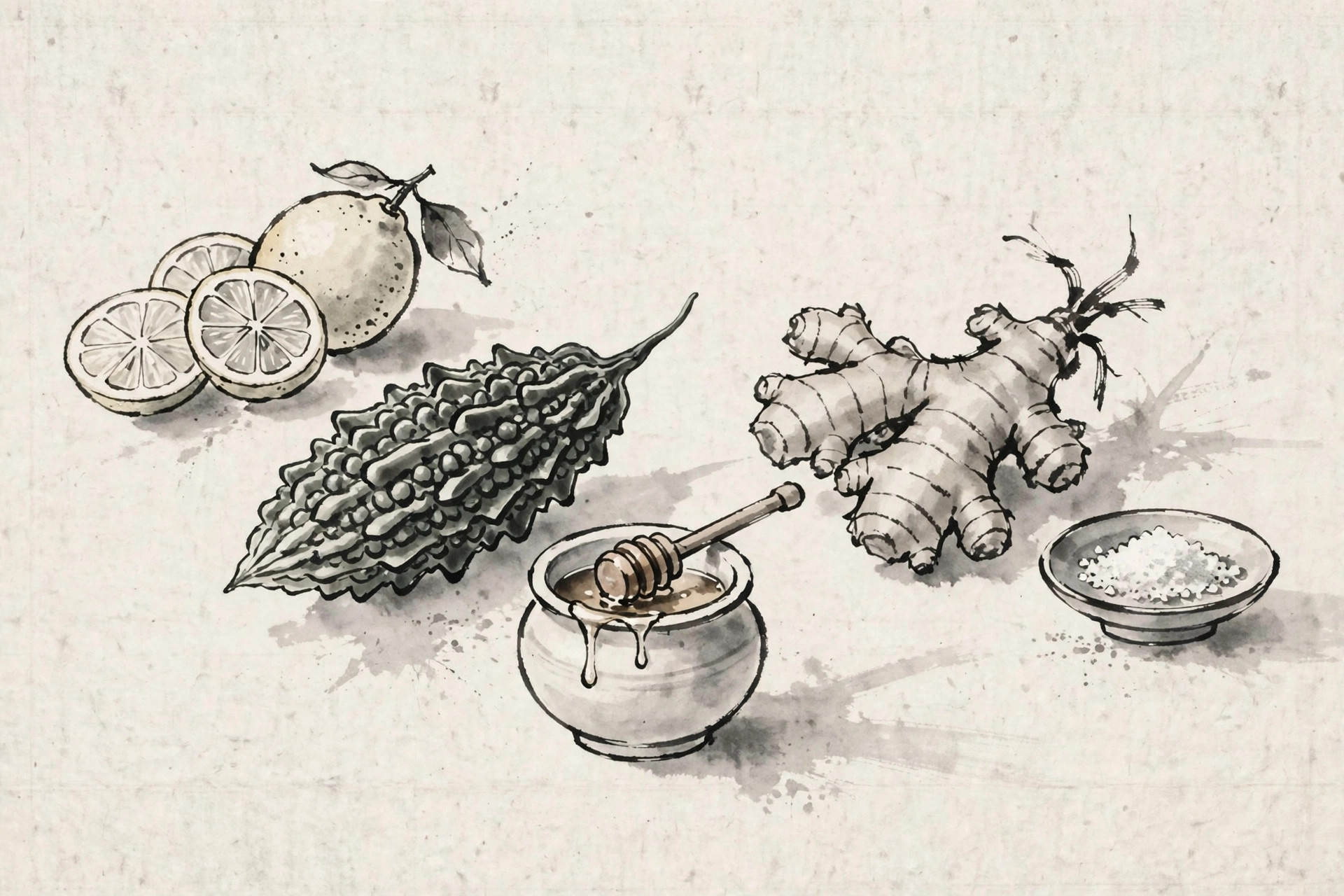
Take a bite of a lemon wedge and your whole face puckers. Sip strong black coffee and the bitterness steadies you. Taste honey and everything softens. In…
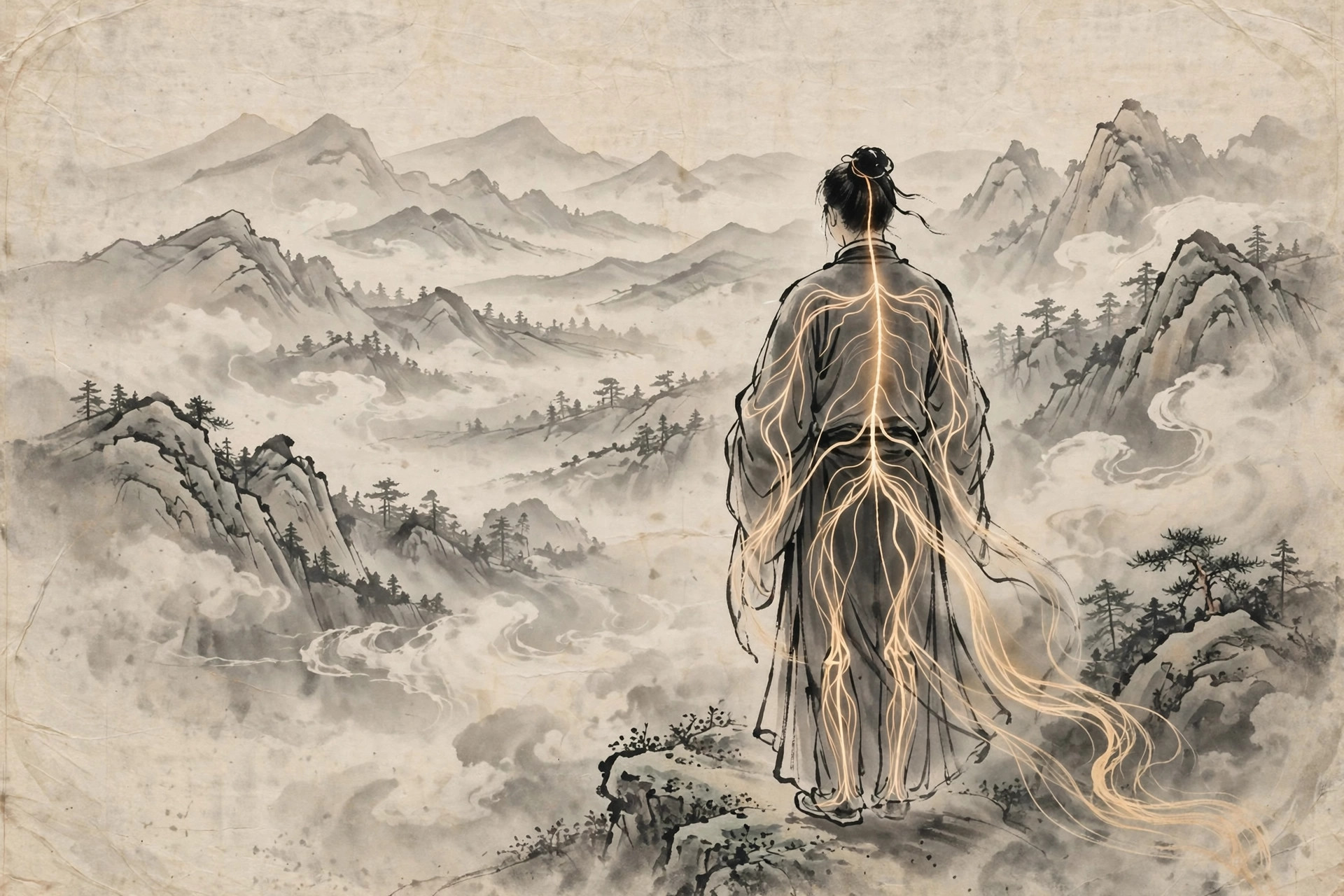
The meridian system of Traditional Chinese Medicine explained for beginners: what the twelve channels and their collaterals are, how they differ from nerves…
An honest, respectful comparison between the Huangdi Neijing's two-thousand-year-old medical ideas and modern medicine — where their observations line up…
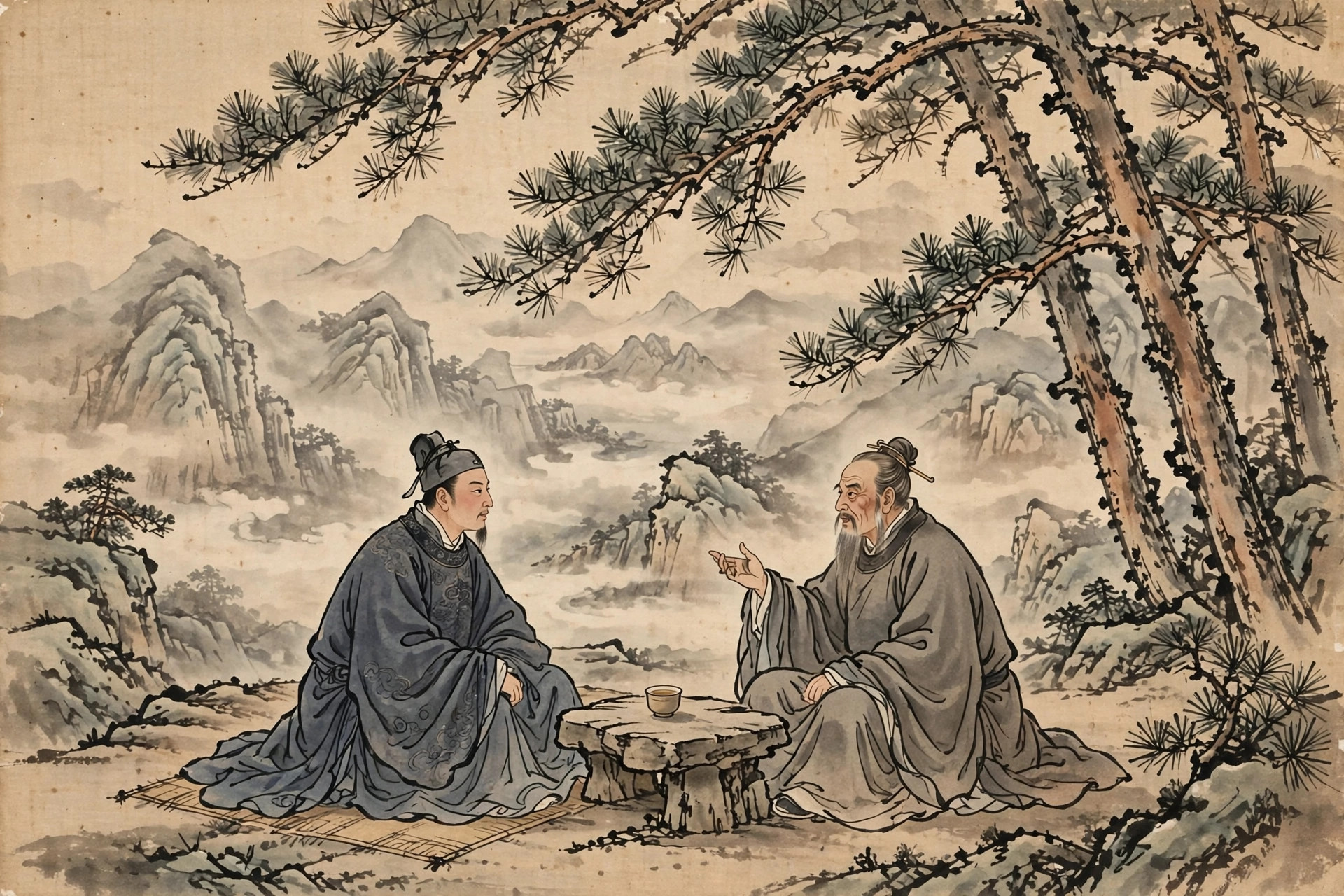
"The Huangdi Neijing is written as a conversation between the Yellow Emperor and his minister Qi Bo. Who were they, and why does the classic take the form of…
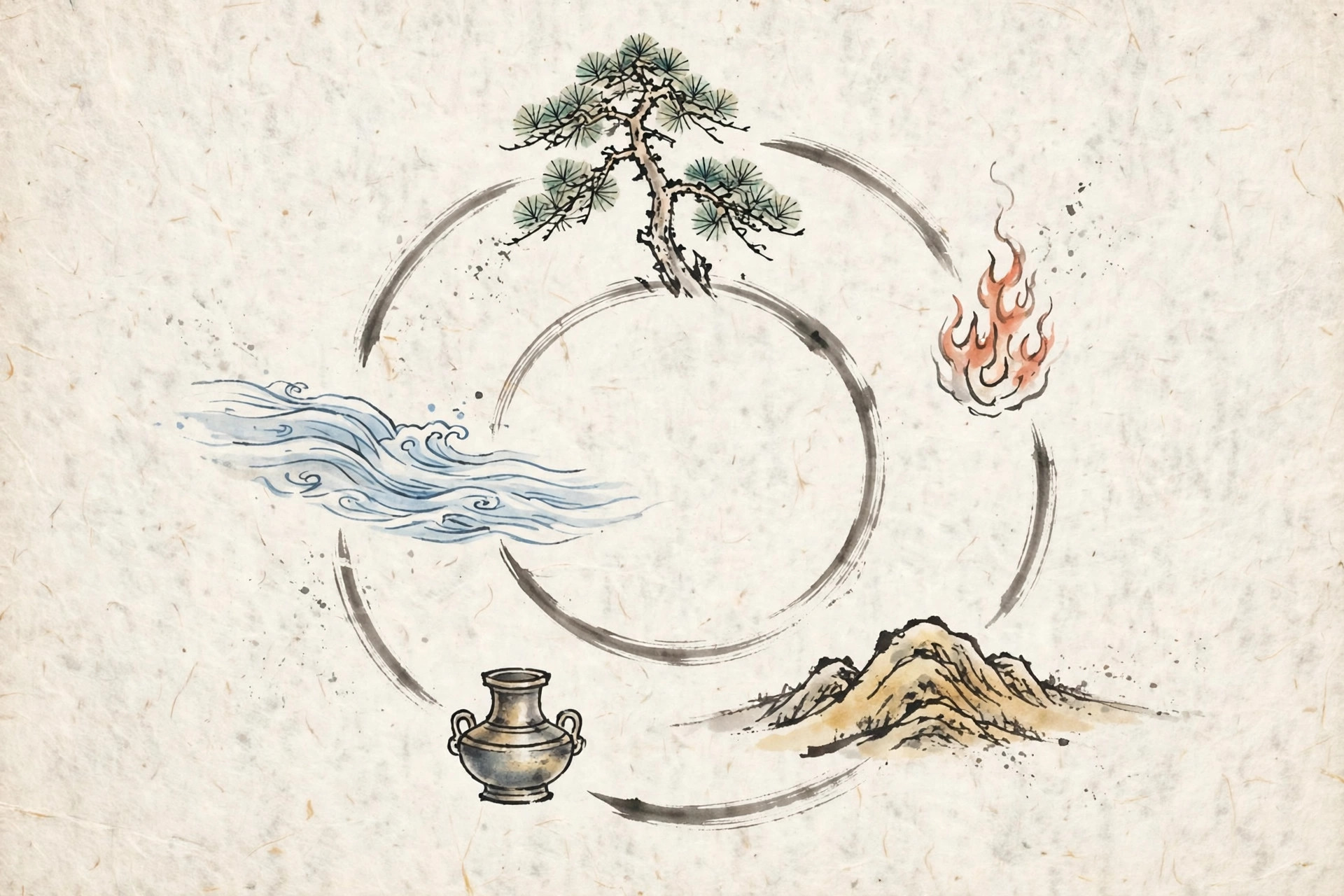
Wood, Fire, Earth, Metal, and Water are not elements but phases of change. This article maps them to organs, emotions, and seasons, explains the generating and…
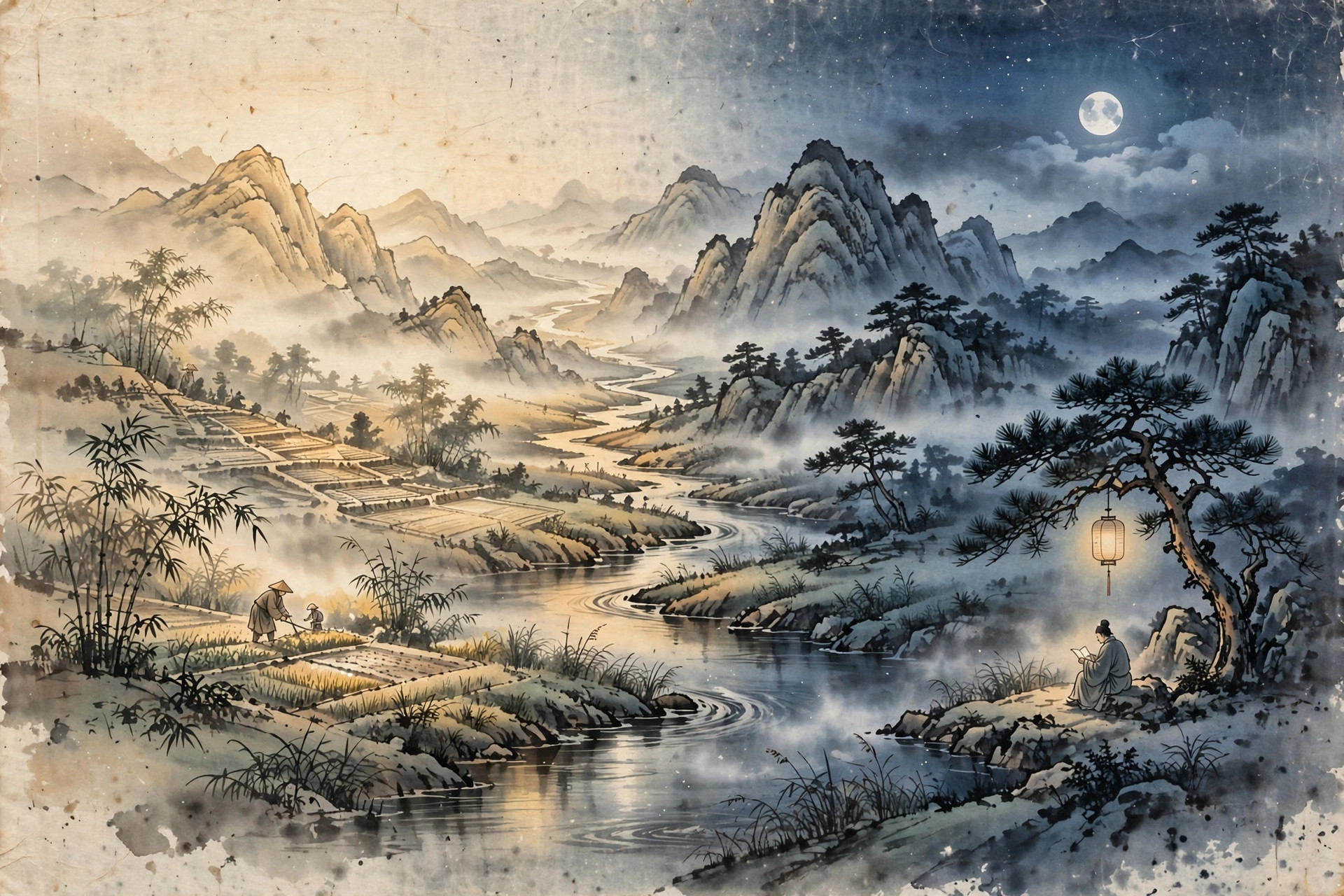
"Concrete, everyday examples of yin and yang — sleep and waking, work and rest, warming and cooling foods, and the cycle of the seasons — with a simple way to…
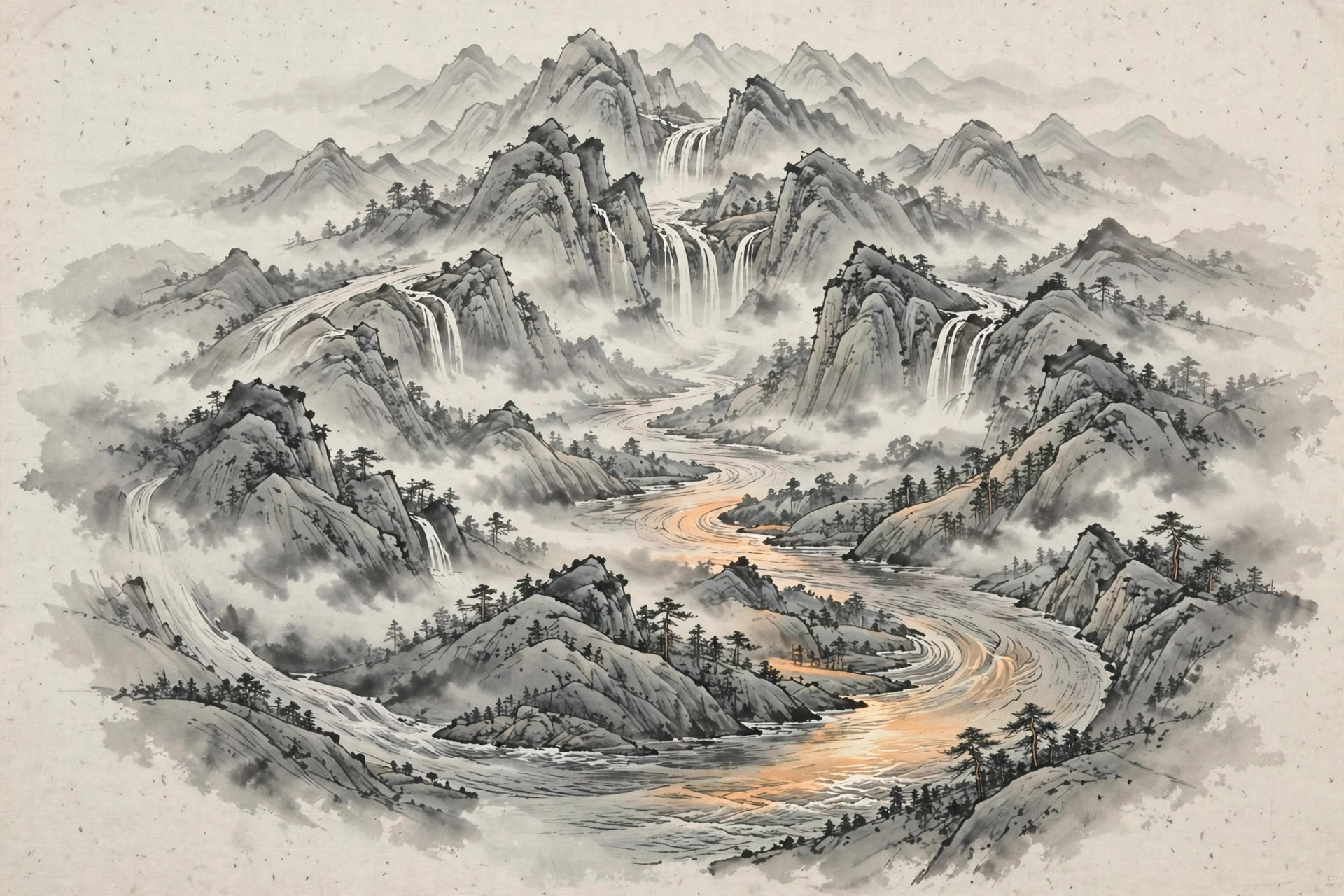
"Beyond the definition of qi: how the Huangdi Neijing describes qi rising, sinking, gathering, and dispersing — traveling the channels in a daily circuit — and…
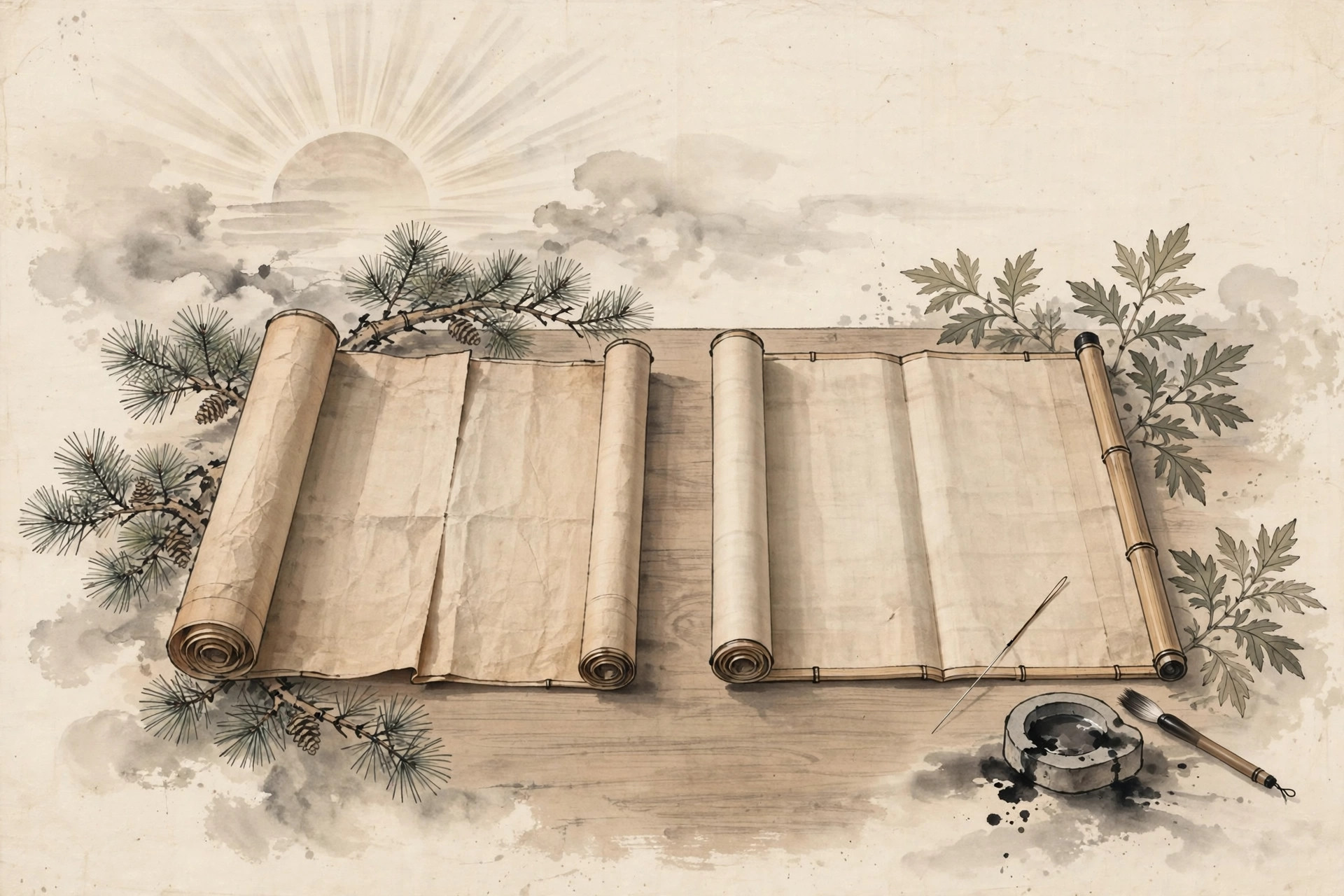
"The Huangdi Neijing is made of two books in one binding: the Suwen, which lays out the theory of how the body works, and the Lingshu, which maps the channels…
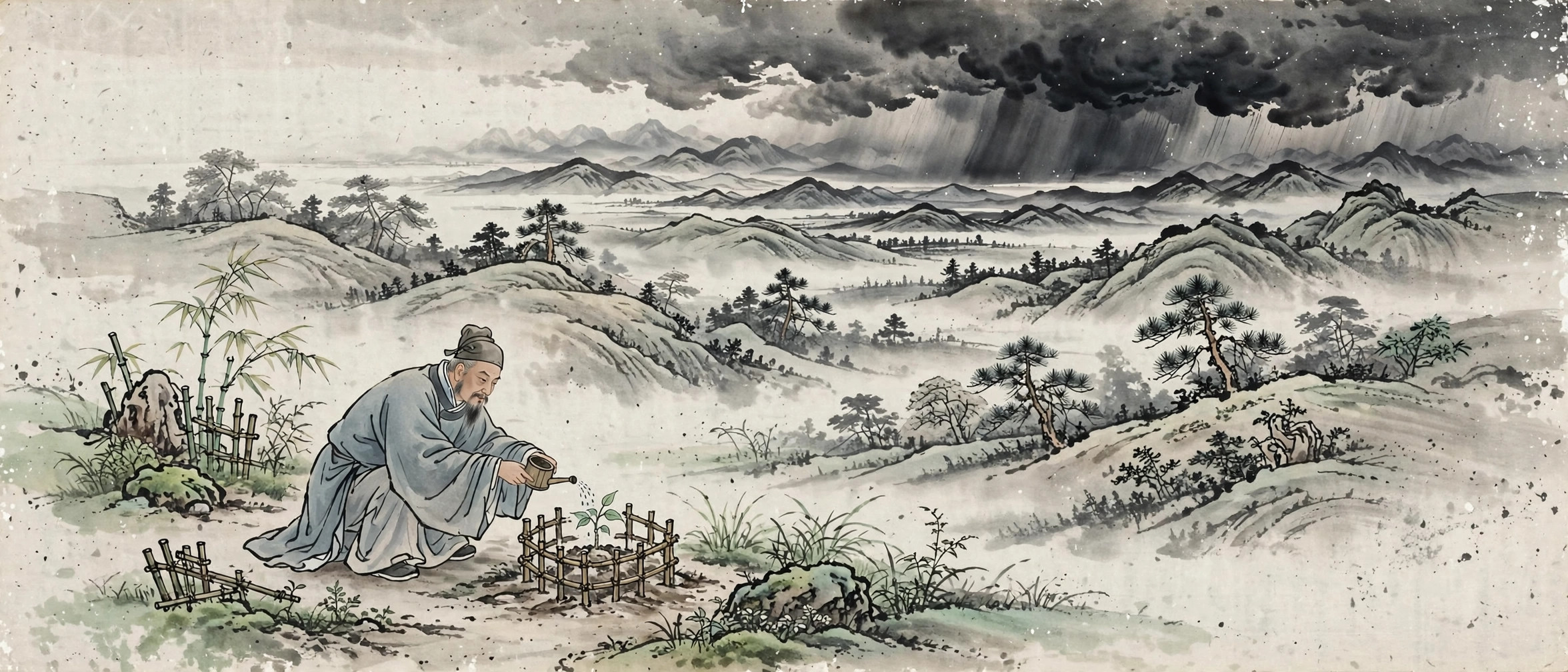
The Huangdi Neijing's most famous idea — 治未病 (zhi wei bing), "treat before illness" — explains why the classic values prevention over cure, and how that…