Balance Meals Like a Pro: How to Create a Diabetes Diet Plan That Works
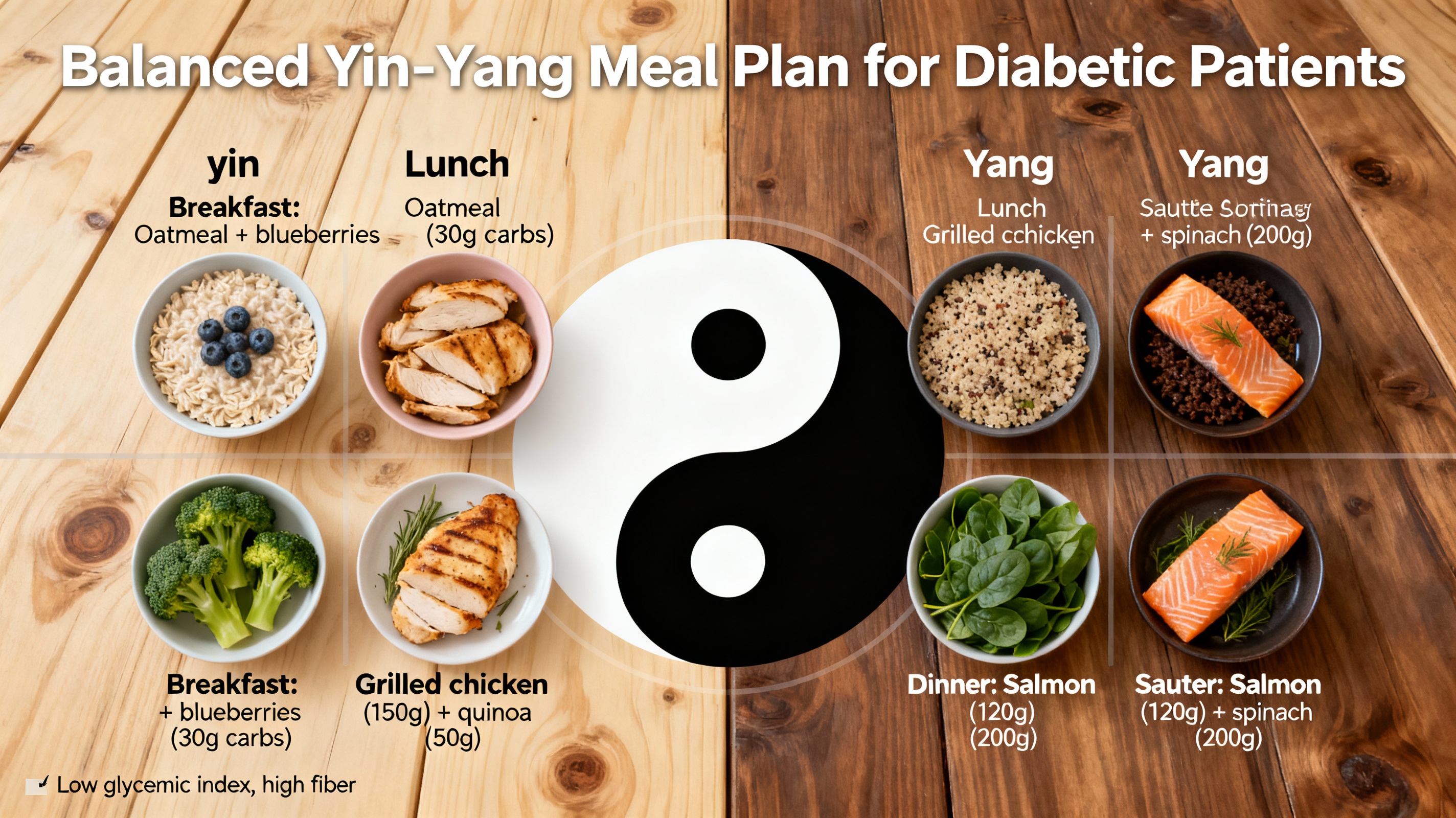
Creating the right diet plan for people with diabetes is more than calorie counting. It’s a key part of managing blood sugar and avoiding future complications. In Traditional Chinese Medicine (TCM), food is medicine. TCM focuses on balancing your unique internal state—not just treating symptoms. So, your diet should nourish both performance and personal energy.
Eat for Energy: Why Yin-Yang Balance Matters
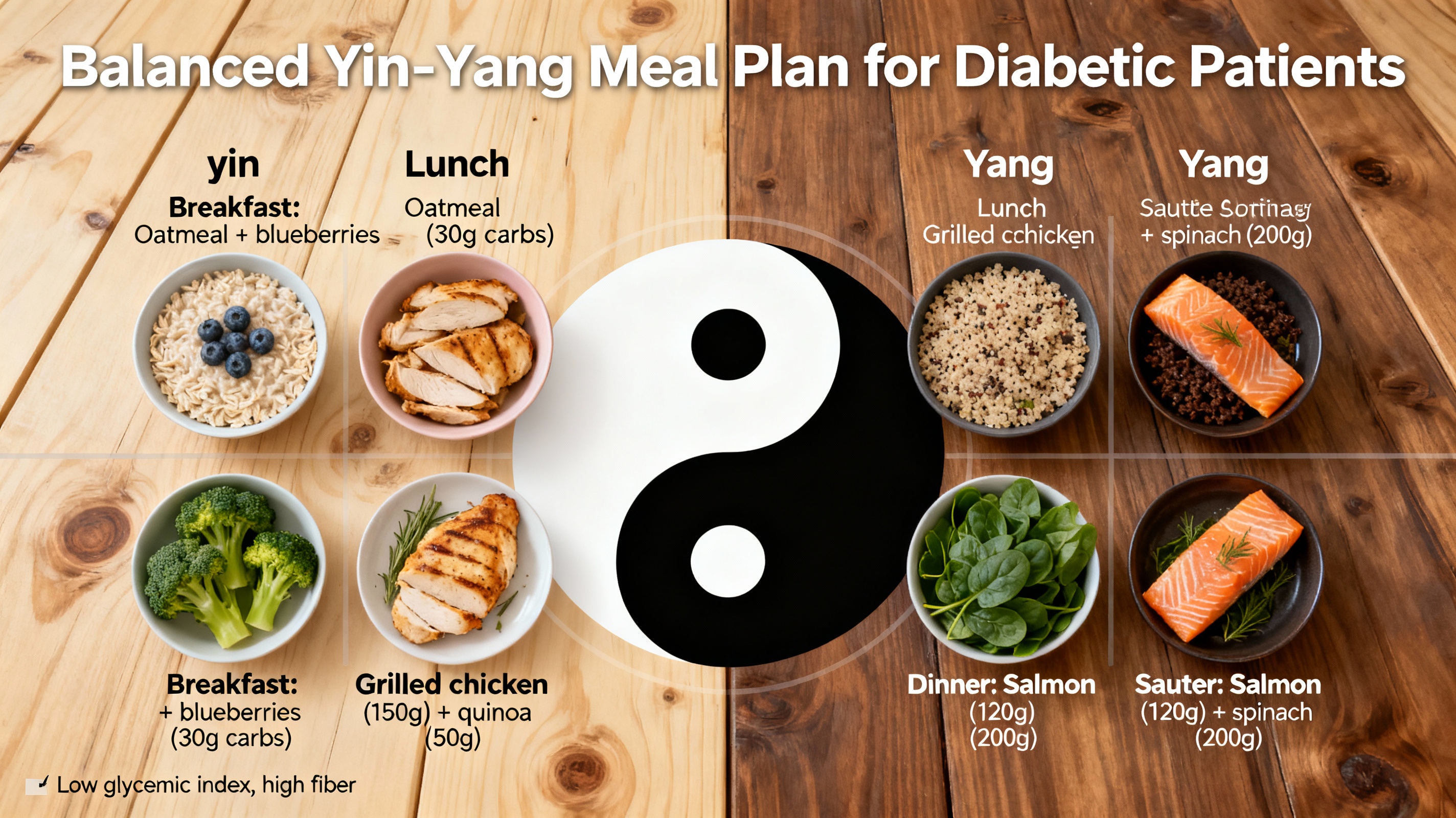
TCM sees diabetes as a sign of internal imbalance—mainly related to Yin and Yang. Think of it like your body’s thermostat malfunctioning. To rebalance it, load up on high-fiber foods such as whole grains, beans, and veggies. These support your digestive system, which is like your body's engine for converting food to fuel. Avoid sugary and greasy foods that slow everything down. Check out our guide to Yin & Yang to understand how this balance works.
Swap Smart: How Low-GI Foods Prevent Sugar Spikes
The Glycemic Index (GI) measures how fast a food raises blood sugar. Lower-GI foods like oats, brown rice, legumes, and leafy greens take longer to digest. That means they keep your energy steadier and minimize insulin overload. As nutritional research shows, diets rich in low-GI foods improve metabolic control in diabetic patients (PMID: 24674218).
Use Less, Gain More: Master Portion Control
Portion size isn’t just about avoiding overeating—it helps your pancreas. Smaller, well-timed meals reduce insulin stress and support better digestion. Chew slowly to aid absorption and avoid post-meal blood sugar swings. The gut, in TCM, relies on smooth "Qi flow”—like preventing a traffic jam in your body. Visit Qi & Blood to learn how this concept supports smoother digestion.
Mix Your Menu: Why Variety Strengthens Immunity
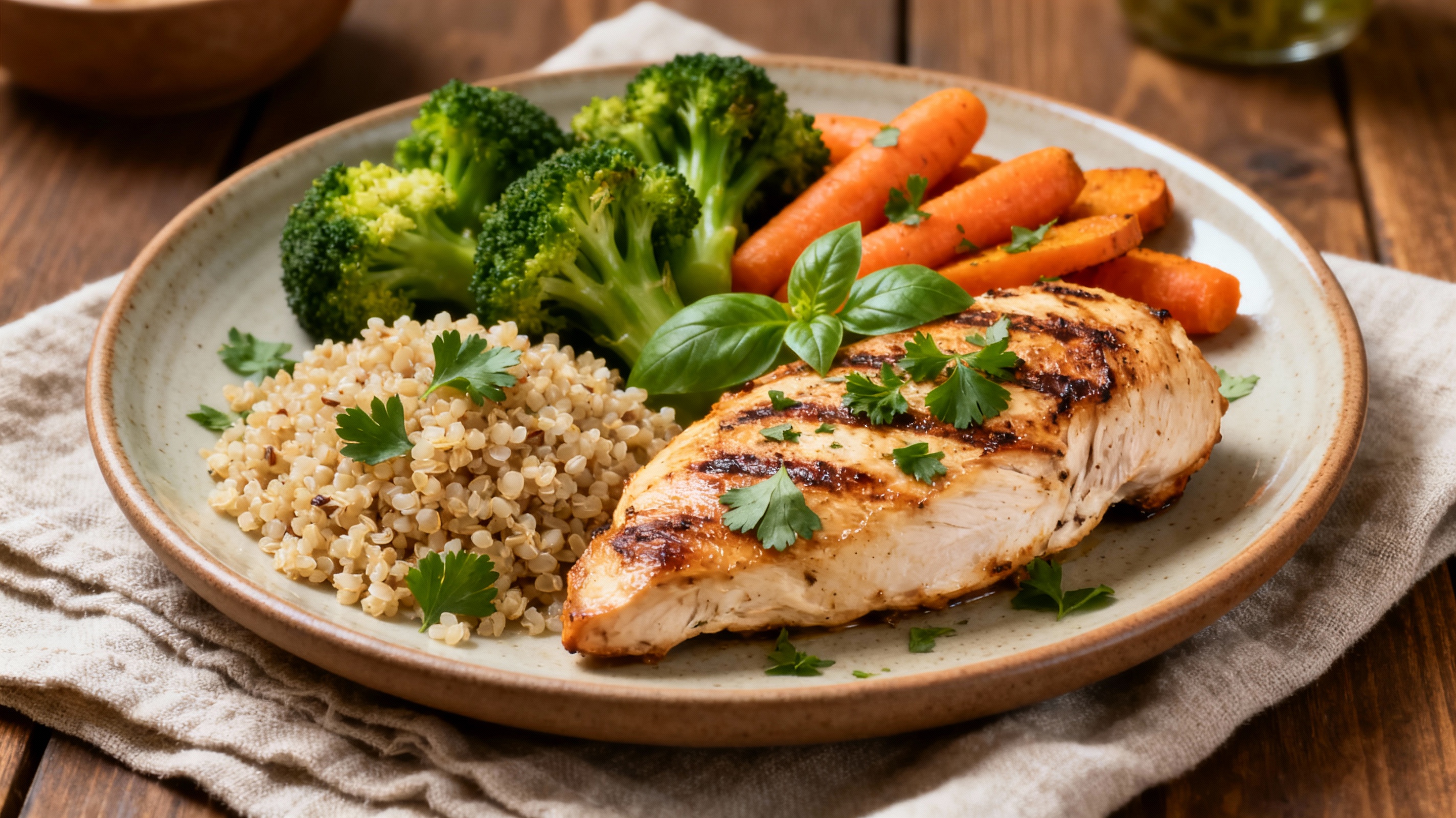
Nutrient-rich foods like leafy greens, nuts, and seeds provide essential vitamins and minerals. Add lean protein—from fish, poultry, or tofu—to maintain muscle mass. Diverse foods bring balance without boredom. This aligns with guidelines found in Diet Therapy, where combining different “flavors” supports long-term organ health.
Add Herbs Wisely: Support Sugar Control Naturally
Some herbs traditionally used in TCM—such as Huang Qi (Astragalus), corn silk, and bitter melon—may help stabilize blood sugar. They’re not magic pills, but studies suggest these herbs have mild hypoglycemic effects (PMID: 12710681). Always consult a practitioner before adding herbs. You can also explore the Herbal Encyclopedia for more background.
Stick With It: How Habits Strengthen Blood Sugar Sensitivity
A stable routine—regular meals and movement—improves how your body responds to insulin. Think less stress, more control. Physical activity also boosts your metabolism, especially when paired with balanced eating. In fact, combining moderate lifestyle changes with diet lowers Type 2 diabetes risk significantly (PMID: 11832527). Try Tai Chi or Qi Gong if you're looking for a gentle start.
Your 3-Second Self-Check, 30-Second Fix
If your meals leave you bloated or light-headed → cut portions in half for 3 days
If your blood sugar spikes after lunch → switch to oats, beans, or tofu midday
If energy crashes hit hard → add protein at breakfast and move for 5 minutes after eating

![[Urological Concerns] When Frequent Sex Leads to Kidney Deficiency: Dietary Remedies](https://img.naturalhealingchina.com/uploads/blog/content/202602/bcf1c492dfc1cbeb8370578164a0570f.webp)